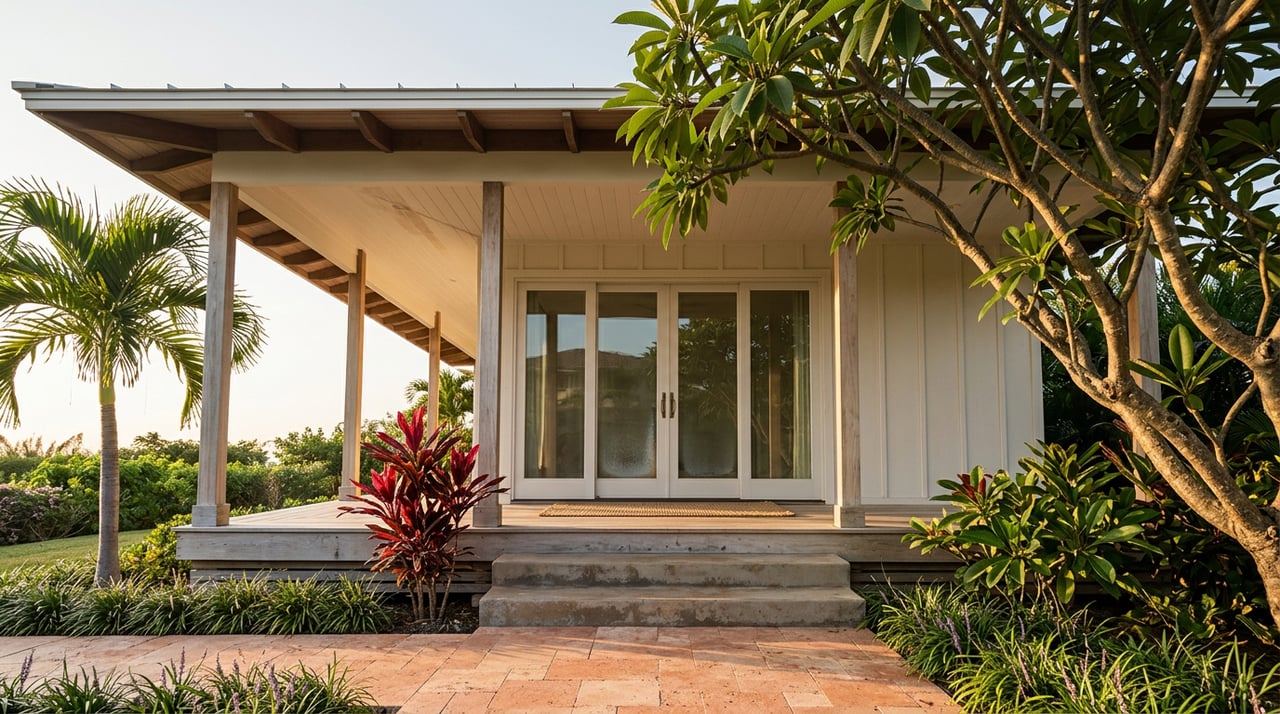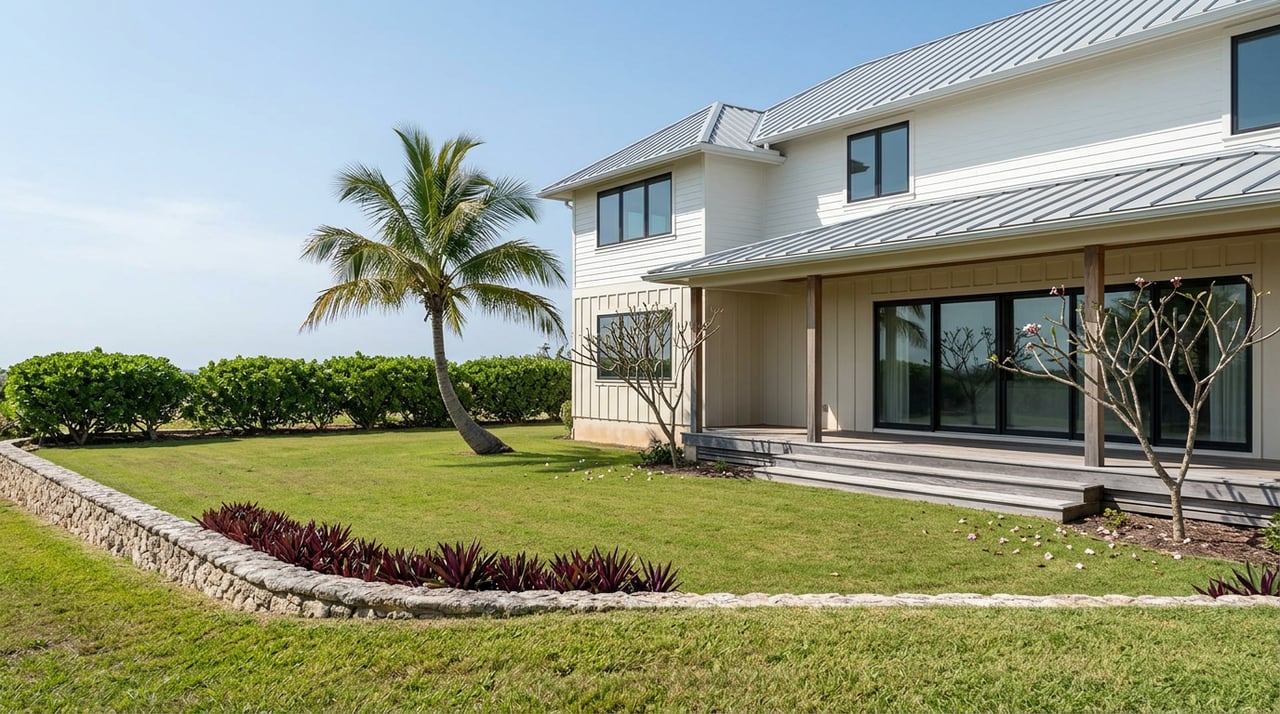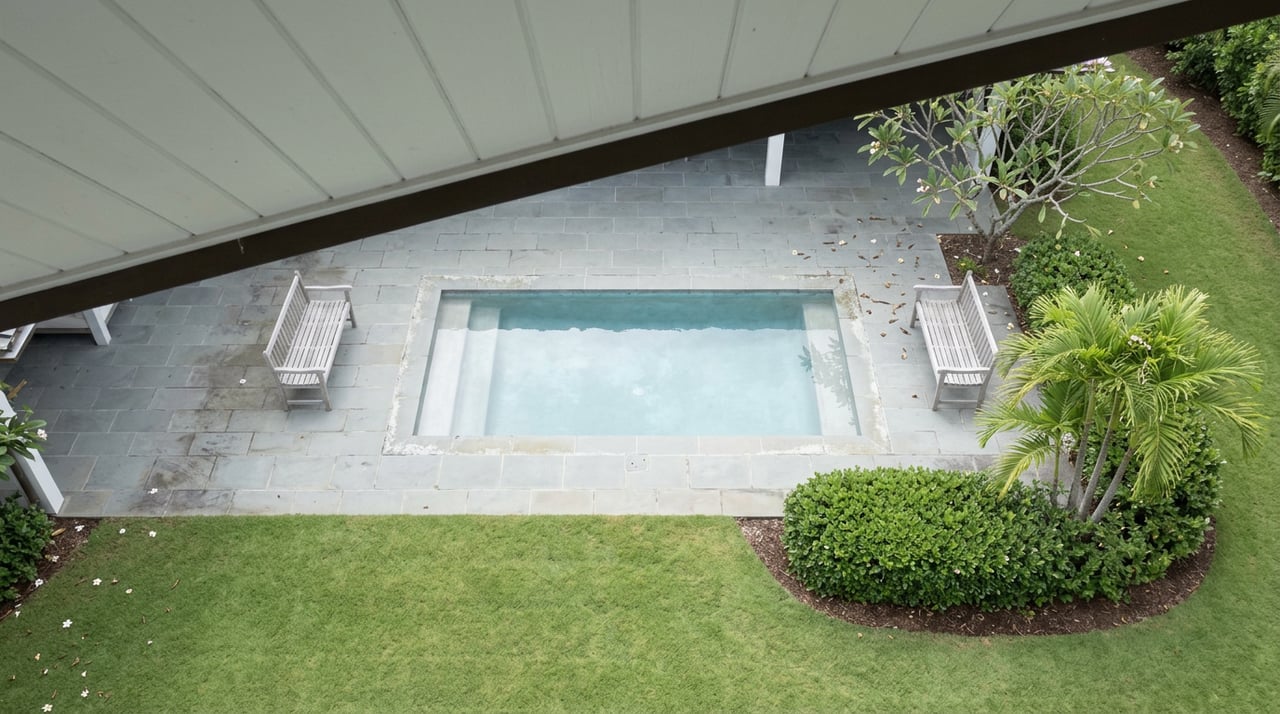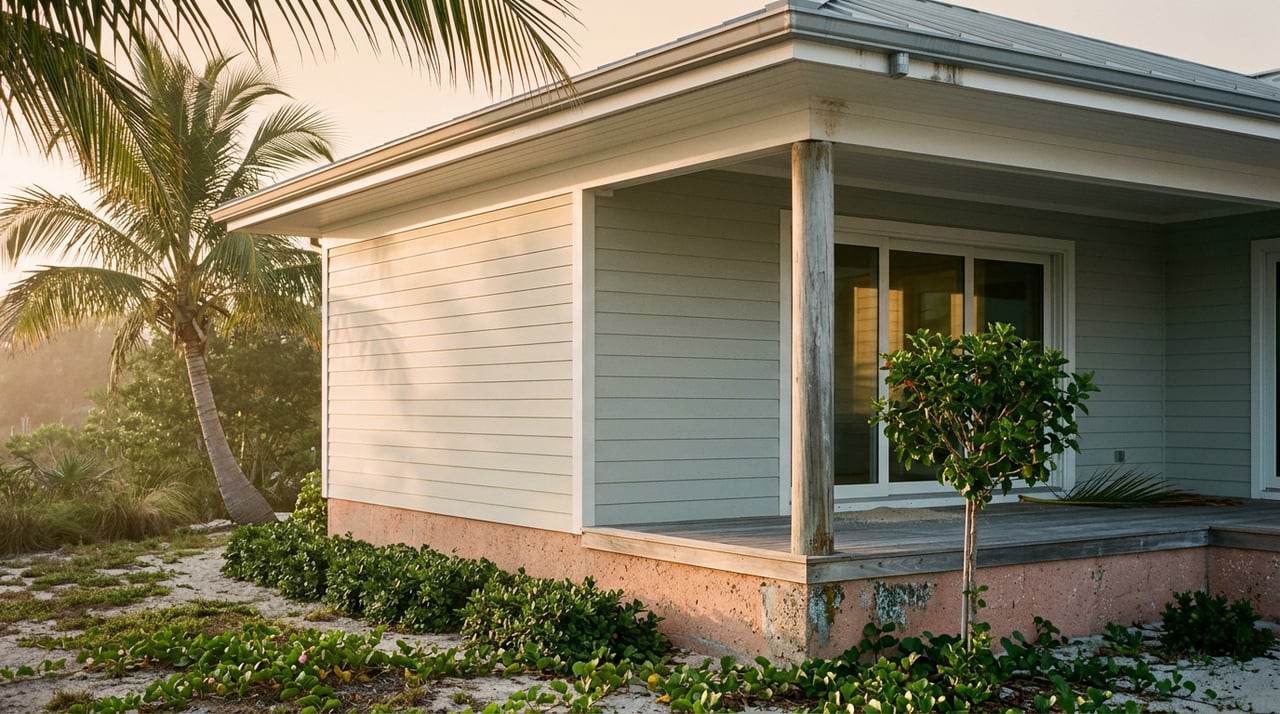
Thinking about buying a North Shore property and using it as a vacation rental? In 96712, the biggest mistake you can make is assuming a beautiful house near the beach can automatically become a nightly rental. On O‘ahu’s North Shore, legal status, taxes, and seasonality matter just as much as location. If you want to invest wisely, you need a clear view of what is actually allowed, what tends to perform, and where the real risks sit. Let’s dive in.
Start With the Legal Reality
If you are exploring vacation rental investment on O‘ahu’s North Shore, zoning is the first filter. Under Honolulu’s Land Use Ordinance, transient vacation units are only allowed in narrow, specific areas such as resort districts, certain resort-related precincts, and properties with valid nonconforming-use certificates. If a property does not fall into one of those categories, it is generally unlawful to rent or advertise it for fewer than 30 consecutive days, according to the City and County of Honolulu Land Use Ordinance.
That means a typical residential home in the North Shore area is usually not a plug-and-play nightly rental. For many buyers, the more realistic path is either a legal resort-oriented asset, a property with documented legacy entitlement, or a rental strategy built around stays of 30 days or more. Knowing that up front can save you time, money, and a great deal of frustration.
What 30+ Day Rentals Mean
Honolulu’s rules specifically exempt rentals of 30 consecutive days or more from the short-term rental prohibition. In practice, that is why many North Shore investors lean toward long-term or mid-term leasing when legal nightly use is not available under the ordinance. You can review that framework directly in the same Land Use Ordinance article.
For an investor, this creates a simple risk hierarchy. A 30+ day rental strategy is generally the lowest-risk route, while trying to convert a standard residential parcel into a nightly vacation rental is usually the highest-risk move.
How Bed and Breakfast Homes Differ
A bed and breakfast home is not the same thing as a typical vacation rental. Honolulu treats B&B homes as a separate category with tight rules, including owner occupancy, a maximum of two guest rooms, and no more than four guests at one time. The owner or operator must also remain on site during quiet hours, and the registration does not transfer with the land under the current city rules.
This matters because a B&B can work for the right buyer, but it is more of a lifestyle business than a passive investment. If your goal is fully hands-off ownership, a B&B setup may not match what you have in mind.
Know the North Shore Supply Picture
The North Shore vacation rental market is relatively small compared with the island as a whole. The Hawaii Tourism Authority’s 2025 Visitor Plant Inventory counted 447 vacation-rental units and 14 bed-and-breakfast units in the North Shore area, along with 786 hotel units and 7 condominium-hotel units, for a total of 1,260 visitor units. By comparison, O‘ahu had 4,722 vacation-rental units and 41,092 visitor units overall, according to the 2025 Visitor Plant Inventory Report.
That smaller inventory base helps explain why the North Shore often behaves like a niche lodging market rather than a broad one. In other words, performance often depends less on competing against endless interchangeable listings and more on whether your property is legally usable, well positioned, and aligned with what guests actually want.
Understand Revenue Expectations
North Shore vacation rentals can produce strong nightly rates, but occupancy is not always steady. DBEDT’s March 2025 vacation-rental performance report showed the North Shore at 55.5% year-to-date occupancy with an average daily rate of $437.52. O‘ahu overall posted 61.1% occupancy and $291.77 ADR in the same report, based on data published by the Hawaii Tourism Authority.
That tells you something important. The North Shore may support premium pricing, but it does not necessarily deliver hotel-style consistency. Higher top-line rates can be appealing, yet lower and more variable occupancy can change the math quickly.
Use Market Data Carefully
There is another important caveat for investors. DBEDT notes that its vacation-rental reporting does not distinguish between permitted and unpermitted units, and vacation rentals may not be available every day of the month or year. The January 2026 Hawaii vacation-rental performance report makes that limitation clear.
So while market reports are useful for context, they are not a substitute for parcel-level due diligence. If you are underwriting a property in 96712, you want to separate broad market averages from the actual legal and operational reality of the specific asset.
Factor in Seasonality
The North Shore is not a flat, year-round demand story. Surf season and event timing play a major role, especially for coastal properties close to surf breaks and beach activity. The city’s North Shore triennial surf calendar for 2025 to 2026 shows events concentrated from September through May, with major activity clustered in November through February and no listed surf events in June through August.
For you as an investor, that points to a winter-heavy demand pattern. Holiday travel, surf events, and peak leisure demand can support strong seasonal pricing, but shoulder months and summer may call for more conservative revenue assumptions.
Why Resort Positioning Matters
The North Shore also has a strong resort anchor. The Hawaii Tourism Authority notes that Turtle Bay Resort was rebranded as The Ritz-Carlton O‘ahu, Turtle Bay in 2025 in its visitor inventory report.
That does not guarantee performance for nearby properties, but it reinforces an important trend. The strongest lodging demand in this part of O‘ahu is often tied to destination-oriented, amenity-rich settings rather than ordinary inland housing stock.
Budget for Taxes and Operating Costs
One of the easiest ways to overestimate returns is to focus only on gross rental income. In Hawai‘i, taxes and compliance costs can take a meaningful bite out of your net operating income.
According to the State of Hawaii tax outline, lodging income may involve several layers of taxation. The state transient accommodations tax is 11% effective January 1, 2026, O‘ahu’s county lodging tax is 3%, and the general excise tax remains 4% plus the 0.5% county surcharge on applicable lodging income. You can review those rates in the State of Hawaii tax outline.
Property Tax Classes Matter Too
Your real property tax class can also change the numbers. Honolulu’s FY 2025 to 2026 real-property tax schedule shows B&B homes at $6.50 per $1,000 of net taxable value, transient vacation properties at $9.00 per $1,000 on the first $800,000 and $11.50 above that, hotel/resort property at $13.90, and residential property at $3.50, according to the Honolulu Real Property Tax rate schedule.
That spread is significant. A property that pencils well as a residential rental may look very different once it is taxed and operated as transient lodging.
What Tends to Make Sense
For many buyers, the most durable North Shore investment strategy starts with a simple question: what use is clearly supportable from day one? In this market, the lower-friction options are usually legally permitted resort assets, properties with clearly documented legacy rights, or 30+ day rental holdings. That conclusion flows directly from Honolulu’s zoning framework and the operating realities around compliance.
If you are considering a B&B path, it helps to view it as an owner-involved hospitality model rather than passive income. Honolulu’s rules also require things like quiet hours, guest registries, parking plans, and insurance coverage under Ordinance 24-14, which means operations are part of the investment story, not an afterthought.
A Simple Risk Framework
Here is a practical way to think about North Shore vacation rental investing:
- Lowest risk: 30+ day long-term or mid-term rental strategy
- Moderate risk: clearly legal resort property or owner-occupied B&B model
- Highest risk: assuming a typical North Shore home can legally operate as a nightly vacation rental
That framework can help you narrow your search before you fall in love with the wrong property.
How to Shop Smarter in 96712
If you are searching in 96712, start with legal use before you start projecting income. Then look at location quality, proximity to coastal amenities, parking, privacy, and the level of finish needed to justify premium rates. In a small, supply-constrained market like the North Shore, strong performance usually comes from the right combination of entitlement, positioning, and disciplined management.
That is especially true if you are buying from the mainland or balancing personal use with income goals. A clear, local strategy can help you avoid overpaying for unusable rental potential and focus instead on assets that truly fit your ownership plan.
If you want a more tailored view of which North Shore properties may fit your investment goals, Jill A Lawrence offers concierge-level guidance on buying, property stewardship, and vacation-rental management across O‘ahu’s North Shore.
FAQs
What makes a North Shore property legal for vacation rental use?
- A North Shore property generally needs to be in a specifically allowed area under Honolulu’s Land Use Ordinance or have a valid nonconforming-use certificate to operate as a transient vacation unit for stays under 30 days.
Can you use a standard house in 96712 as a nightly short-term rental?
- In most cases, no. A typical residential parcel in 96712 is generally not a lawful nightly rental unless it falls within one of the narrow permitted categories under Honolulu rules.
What is the safer rental strategy for North Shore investors?
- A 30+ day rental strategy is generally the lowest-risk option because rentals of 30 consecutive days or more are exempt from Honolulu’s short-term rental prohibition.
How do bed and breakfast rules work on O‘ahu’s North Shore?
- A B&B home must be owner-occupied, limited to two guest rooms and four guests at one time, and the owner or operator must stay on site during quiet hours.
What do North Shore vacation rental rates and occupancy look like?
- DBEDT reported North Shore vacation rentals at 55.5% year-to-date occupancy and a $437.52 average daily rate in March 2025, which suggests premium pricing potential but less consistent occupancy than hotels.
What taxes should you budget for with a North Shore vacation rental?
- Depending on the use, you may need to budget for the state transient accommodations tax, O‘ahu’s county lodging tax, general excise tax with county surcharge, and a higher real property tax class than a standard residential rental.