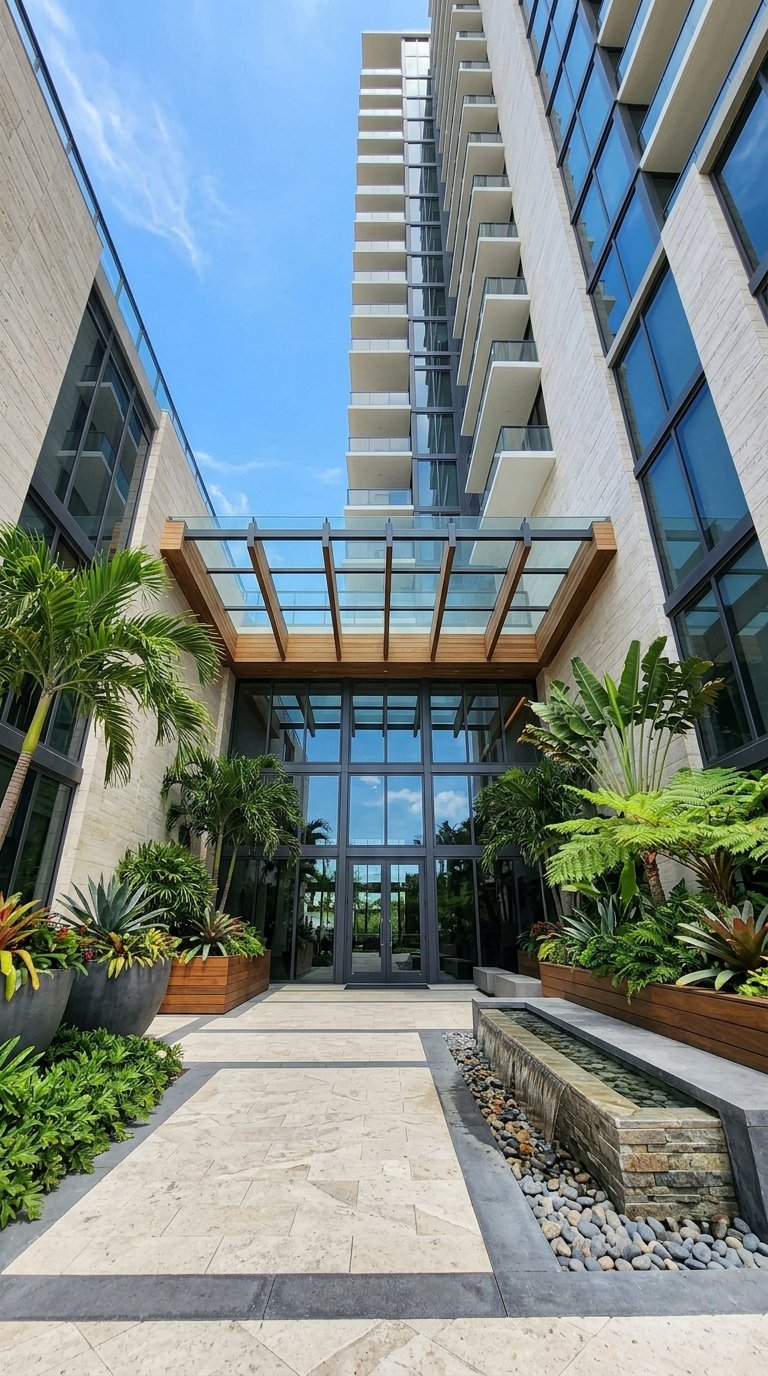
Relocating to Oʻahu often comes down to one big lifestyle question: do you want the convenience of a Honolulu condo or the space and slower rhythm of a North Shore house? If you are balancing commute, budget, maintenance, and day-to-day lifestyle, it can feel like two very different versions of island living. This guide will help you compare the tradeoffs clearly so you can choose the fit that matches how you actually want to live. Let’s dive in.
Two Very Different Oʻahu Lifestyles
A Honolulu condo usually means life along Oʻahu’s south-shore urban corridor. That often brings easier access to jobs, dining, services, and public transportation, especially with Skyline now running from East Kapolei to Middle Street across 19 stations along an 18.9-mile corridor. If you want a more connected, city-style routine with less dependence on a car, this setup can make a lot of sense.
A North Shore house offers a very different feel. Planning documents for North Oʻahu emphasize a country-town character, open space, and rural communities, with Haleʻiwa and Waialua serving as the main commercial and civic centers. In practical terms, that usually means more room, more privacy, and a more car-dependent lifestyle.
Neither option is automatically better. The right choice depends on what matters most to you, whether that is commute convenience, coastal space, shared maintenance, or a quieter daily pace.
Commute and Mobility Matter More Than You Think
If you are relocating for work, your weekly routine should be one of the first things you weigh. Honolulu offers a denser mix of transportation options through TheBus and Skyline, while North Shore transit service is much more limited. The official transit map lists North Shore Express 88A with just two morning trips into Honolulu and two afternoon trips back.
For many relocating professionals and military families, that creates a clear lifestyle split. A Honolulu condo may fit better if your schedule lines up with the south-shore transit corridor or if you want more flexibility without relying on a long drive every day. A North Shore house may still be worth it if you are comfortable with a car-based routine and the extra commute time that often comes with it.
Road access also shapes the experience. The state maintains H-2 and H-1 special-use lanes during weekday peak periods, which can help some commuters, but they do not erase the basic distance between the North Shore and Honolulu’s urban core. If your workday starts early, ends late, or changes often, that daily pattern deserves serious attention.
What Condo Ownership Really Means in Hawaiʻi
A condo can simplify some parts of ownership, but it also comes with a legal and financial structure you need to understand. In Hawaiʻi, condominium ownership is governed by the project’s declaration and bylaws, and some properties also have house rules covering details like quiet hours, pool hours, guest parking, pets, and fines. When you buy a condo, you become a member of the association and share in common expenses.
That shared structure is a major reason many relocating buyers consider condos. Common elements like lobbies, corridors, parking areas, grounds, walkways, pools, gyms, roofs, and main pipe and electrical systems are generally maintained by the association. If you want less direct responsibility for many exterior and building-wide systems, a condo can feel more manageable.
The tradeoff is that condo living is more rule-based than detached homeownership. You are not only buying your unit. You are buying into a shared system of maintenance, budgeting, and governance.
HOA Fees, Reserves, and Special Assessments
A condo’s monthly payment is not just about the mortgage. You also need to evaluate maintenance fees, reserve contributions, insurance responsibilities, and the overall financial health of the association. Hawaiʻi’s DCCA notes that maintenance fees generally increase over time, and insufficient reserves can lead to special assessments.
That makes reserve strength a key part of your due diligence. A condo with lower monthly dues is not always the better value if the association is underfunded or facing major future repairs. For relocation buyers especially, predictable monthly costs can be appealing, but only when the numbers are backed by a well-run association.
When comparing properties, it helps to look beyond the list price and ask what your real monthly ownership cost will be. In many cases, that fuller picture tells you more than the asking price alone.
Insurance Works Differently for Condos
Insurance is another area where condos and houses differ in important ways. According to the DCCA, condominium associations generally must maintain property and liability insurance. For attached units, the association’s property policy generally covers limited common elements, but not the improvements or furnishings inside your unit.
That means you will want a clear understanding of what the master policy covers and what your personal policy needs to handle. This is especially important if you are relocating from a market where condo insurance works differently. A careful review can help you avoid gaps and budget more accurately from the start.
What a North Shore House Can Offer
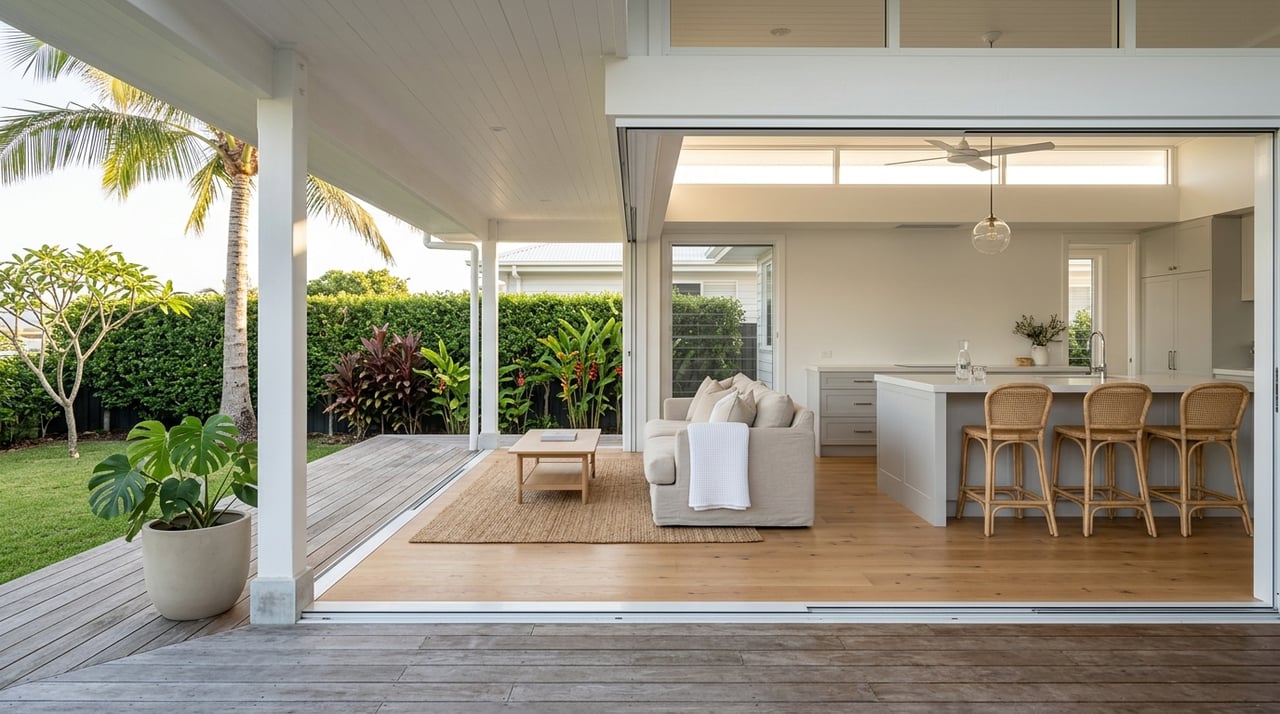
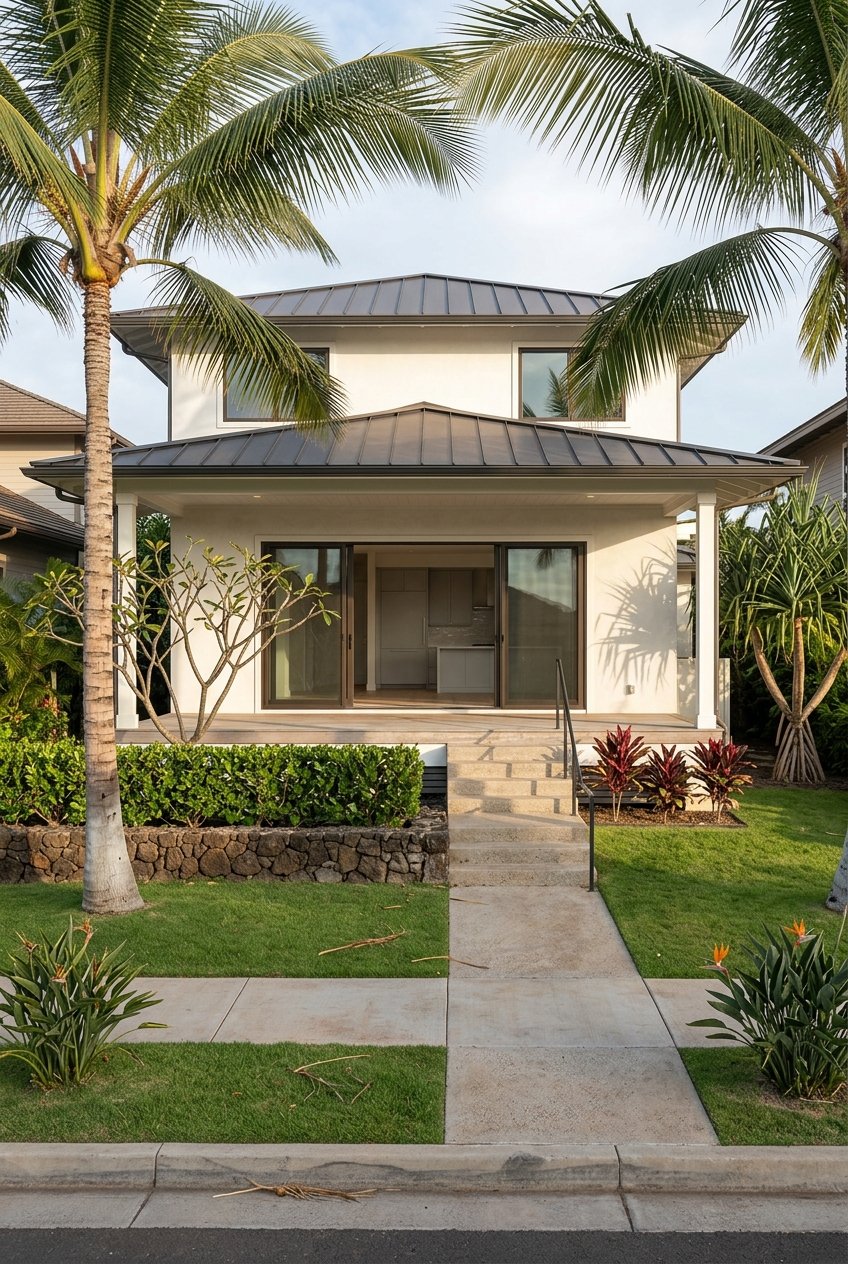
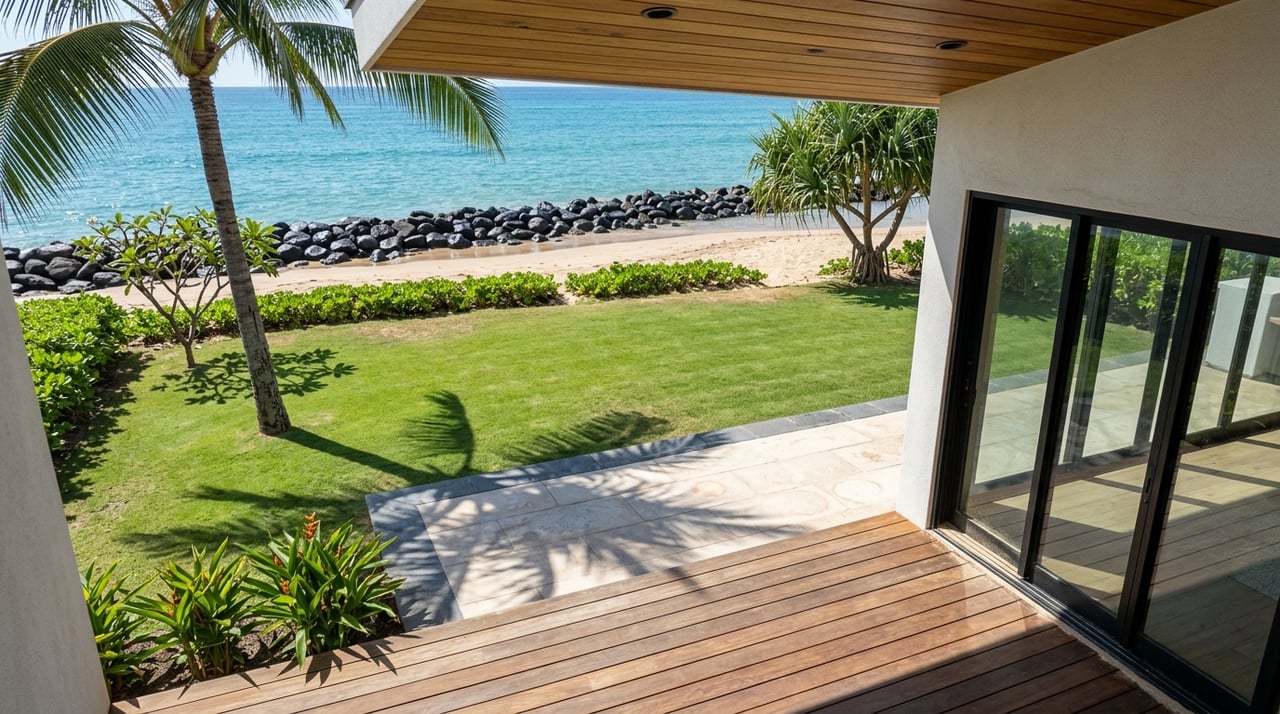
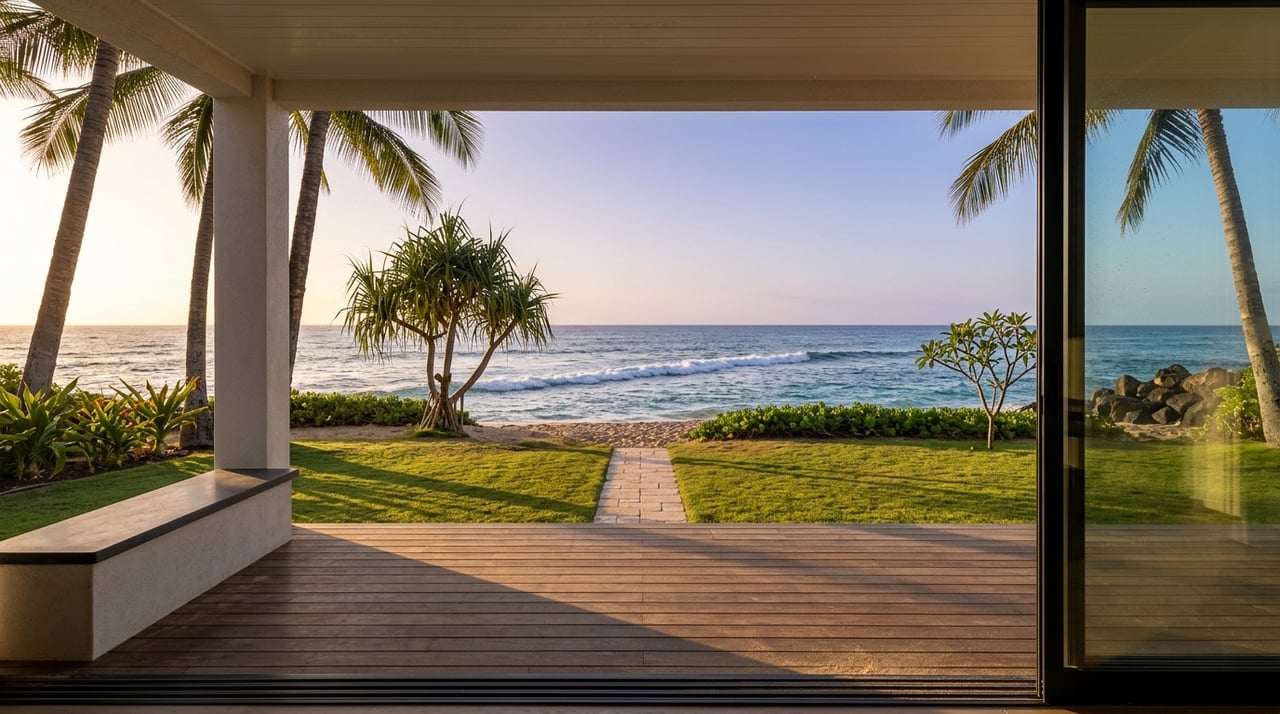
If your goal is more land, more privacy, and a strong connection to the coast, a North Shore house may feel like the more natural fit. This part of Oʻahu is known for its open space, laid-back rhythm, and country-town identity. For many buyers, that lifestyle is the draw.
A detached home also gives you more direct control over your property. You do not have the same common-element structure, association budgeting, or house rules that come with many condos. That freedom appeals to buyers who want a more independent ownership experience.
At the same time, a house often brings more direct maintenance responsibility. Instead of sharing certain building and site costs through an HOA, you are more likely to manage those systems yourself.
North Shore Due Diligence Is Different
One of the most important practical differences on the North Shore is infrastructure. The City has noted that most of North Oʻahu does not have centralized sewer service, even though there are small facilities in the area. For detached-home buyers, wastewater infrastructure can become a meaningful due-diligence item.
That does not mean a North Shore house is a harder choice. It means the checklist is different. If you are relocating from an urban market, this is one of the many reasons local guidance matters when comparing homes across very different parts of the island.
Ocean Conditions Are Part of North Shore Living
North Shore living is closely tied to the ocean, and that is part of its appeal. It also means you should respect how quickly conditions can change. Honolulu Emergency Services notes that ocean conditions change constantly, and North Shore beaches see significant rescue activity during large swells.
For some buyers, that is simply part of informed coastal living. It is less about fear and more about understanding the environment you are choosing. If a daily beach lifestyle is high on your list, the North Shore offers a remarkable setting, but it comes with real conditions to know and respect.
Budget: Entry Price Versus Monthly Cost
Islandwide market data helps frame the financial difference between condos and houses. In April 2026, the median sale price on Oʻahu was $1.15 million for single-family homes and $500,000 for condos. That is a useful snapshot of the typical entry-price gap between the two property types.
For many relocation buyers, that gap shapes the first round of decisions. A condo may open the door to homeownership in a lower price range, while a detached house often requires a larger initial investment. If location, flexibility, and lower entry price matter most, a condo can be the more practical path.
But entry price is only part of the equation. The better comparison is total monthly ownership cost.
Property Taxes Depend on the Property
Property taxes in Honolulu County are based on tax class and value, not simply whether a home is a condo or a house. For FY2025–26, the Residential tax rate is $3.50 per $1,000 of net taxable value. Residential A is $4.00 per $1,000 on the first $1 million and $11.40 above that.
Because of that structure, your tax picture should be based on the specific property you are considering. A broad condo-versus-house assumption can be misleading. When you are building a realistic relocation budget, the property-level numbers matter most.
Comparing the Ongoing Cost Tradeoff
In simple terms, condo owners usually trade some maintenance responsibility for shared monthly costs. House owners usually trade lower association involvement for more direct upkeep responsibility. That is the core cash-flow difference.
Here is a simple way to think about it:
| Option | Typical financial pattern | Typical ownership tradeoff |
|---|---|---|
| Honolulu condo | Lower entry price, plus HOA dues, reserve funding, and owner insurance needs | Less direct responsibility for many common systems, but more shared rules and shared budgeting |
| North Shore house | Higher entry price, with more upkeep handled directly by the owner | More privacy and control, but more direct responsibility for property systems and maintenance |
This is why two homes with very different prices can still feel closer in monthly cost than expected, or farther apart than expected. The details matter.
Which Option Fits Your Relocation Goals?
A Honolulu condo often makes the most sense if you want commute flexibility, easier transit access, and a more predictable shared-maintenance structure. It can be a strong fit for buyers who expect a faster-paced routine and want to stay closer to Honolulu’s urban core. If convenience is your top priority, a condo deserves serious consideration.
A North Shore house usually makes more sense if you prioritize land, privacy, and a coastal-country setting. It can be especially appealing if you are comfortable with more driving and more direct property responsibility in exchange for space and lifestyle. If your vision of Oʻahu includes open sky, ocean energy, and a slower daily rhythm, this path may feel more aligned.
The most successful relocation decisions usually come from matching the property type to your real habits, not your vacation fantasy. Think about where you will spend your weekdays, how much maintenance you want to manage, and what kind of environment will still feel right six months after the move.
If you want help comparing Honolulu condos with North Shore homes in a way that fits your lifestyle, budget, and long-term goals, Jill A Lawrence offers a concierge approach grounded in local North Shore expertise and island-wide Oʻahu guidance.
FAQs
Should relocating buyers choose a Honolulu condo for commuting convenience?
- A Honolulu condo may be the better fit if you want access to Skyline, TheBus, and a more urban daily routine with less dependence on a car.
Should relocating buyers choose a North Shore house for more space?
- A North Shore house may be the better fit if you prioritize land, privacy, and a country-town coastal setting and are comfortable with a more car-based lifestyle.
What should buyers know about Honolulu condo HOA fees?
- Condo buyers in Hawaiʻi should review maintenance fees, reserve funding, association rules, and the possibility of special assessments as part of the total monthly cost.
What insurance questions matter for a Honolulu condo purchase?
- You should confirm what the condominium association’s master policy covers and what your personal policy must cover inside the unit.
What infrastructure issue should buyers check for North Shore houses?
- Because most of North Oʻahu does not have centralized sewer service, wastewater infrastructure can be an important due-diligence item for detached homes.
Is a Honolulu condo or North Shore house usually more affordable?
- Oʻahu market data shows condos typically have a lower median sale price than single-family homes, but your true affordability depends on the specific property’s taxes, fees, insurance, and upkeep costs.