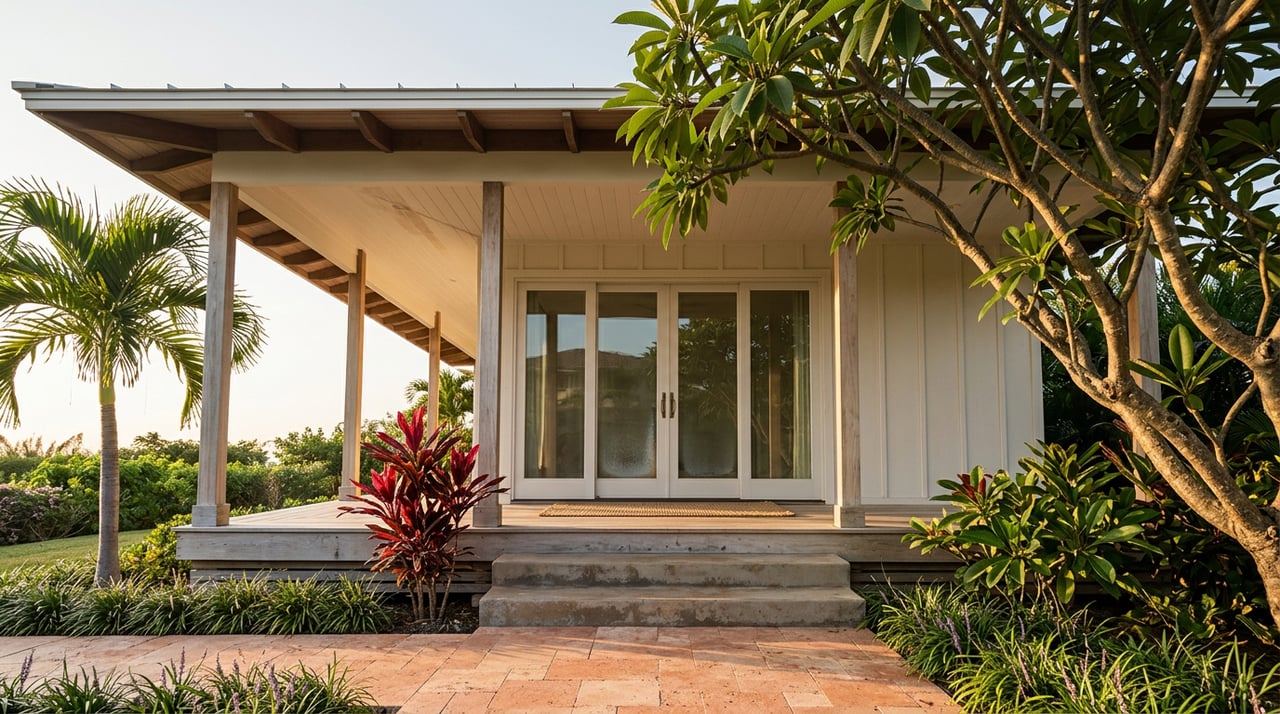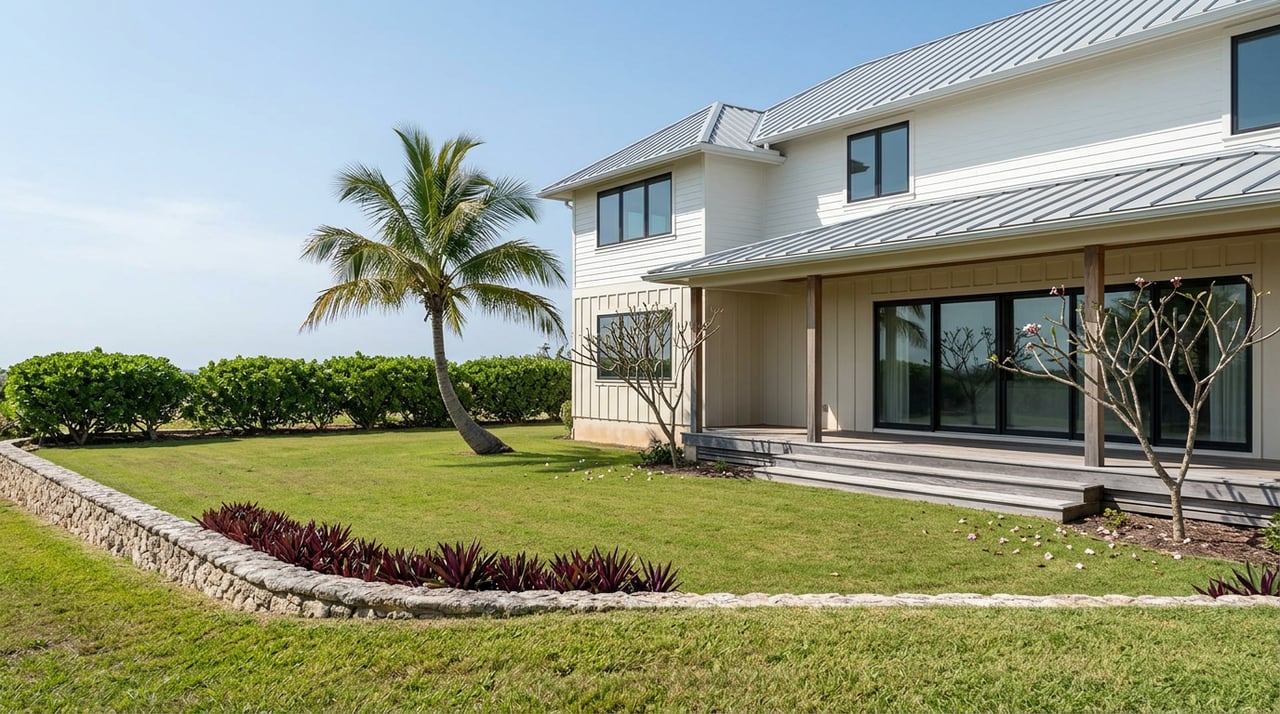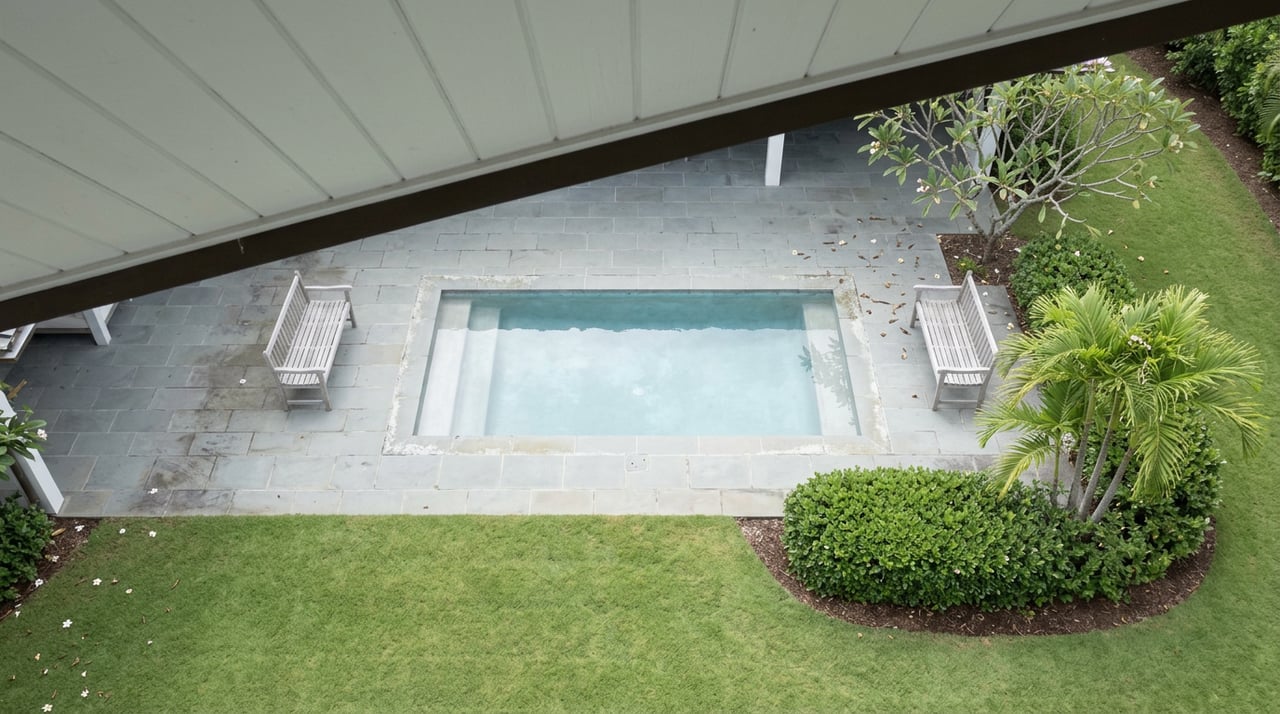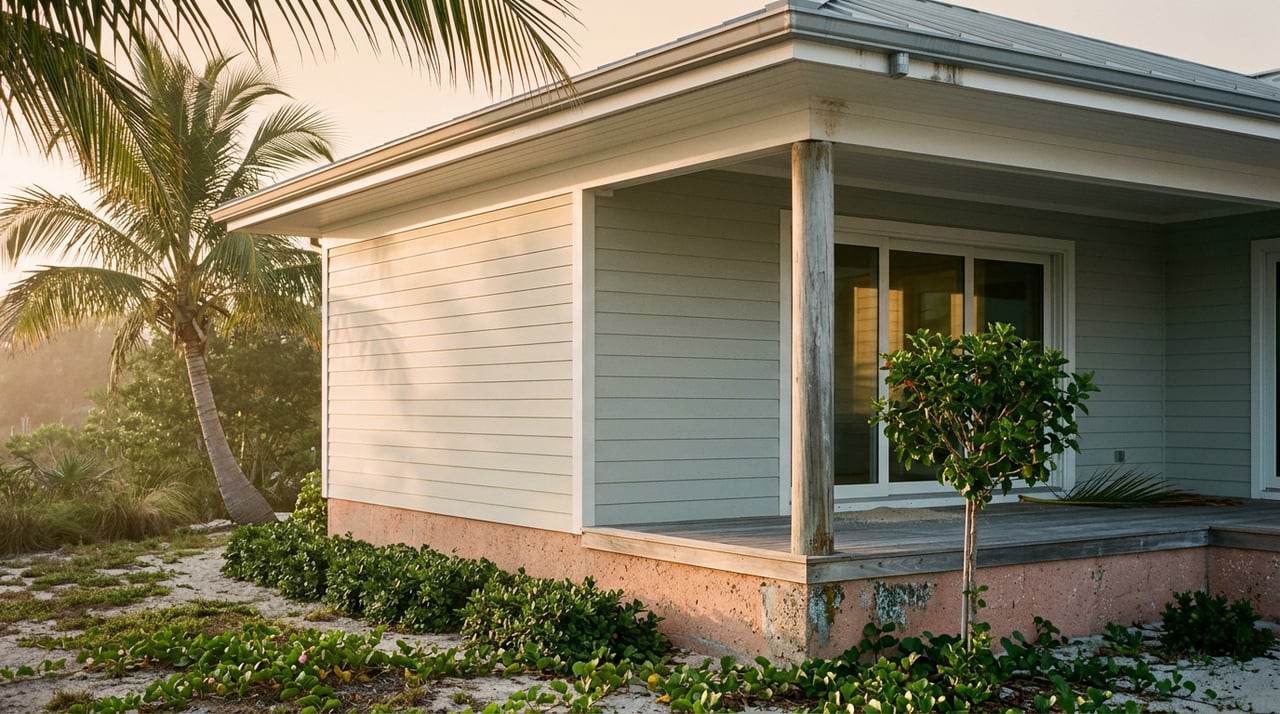
Owning a North Shore home from the mainland can feel like a dream until the first repair call, storm alert, or rental compliance question lands in your inbox. If you want the lifestyle benefits of a 96712 property without constant stress, you need more than good intentions. You need a clear local system for stewardship, compliance, and fast response when conditions change. Let’s dive in.
Why remote ownership needs a local plan
A North Shore property is not a typical second home. In 96712, coastal conditions can include strong wind, flooding exposure, and storm surge risk, which means your home needs regular oversight even when everything appears calm.
That is why mainland ownership works best when you set up a dependable local structure from the start. Hawaiʻi guidance for off-island rental owners says you should designate an on-island agent and a local contact on the same island as the property. Depending on the role, that person may be a custodian, caretaker, or licensed real estate professional.
The right setup depends on how you use the home. If you plan to rent, market, collect rent, coordinate maintenance, or handle tenant issues, a licensed real estate professional can take on those activities and provide reporting to you as the owner.
Start with legal rental use
Before you count on rental income, confirm what the property can legally do. In Honolulu, bed-and-breakfast homes and transient vacation units are allowed only in limited districts and designated areas, including specific resort-adjacent locations such as parts of Turtle Bay.
For most parcels, an unregistered dwelling unit cannot be advertised or rented for fewer than 90 consecutive days. That means short-term use is not something to assume based on location, home style, or past online listings.
Check parcel-specific eligibility
In 96712, legal use can vary lot by lot. Eligibility may depend on zoning, whether the property has a legacy nonconforming use certificate, and whether current registrations are active.
If you are buying or already own a North Shore home, this step matters first. A beautiful coastal home and a legal vacation-rental property are not always the same thing.
Know the operating rules
If a property does qualify for legal transient use, Honolulu code requires a specific operating framework. Owners or operators must maintain current State of Hawaiʻi general excise and transient accommodations licenses, plus the city transient accommodations license.
They must also maintain insurance, renew registrations annually, provide a 24-hour emergency phone number, and keep required materials available at the property. Those materials can include registration documents, house rules, and an informational binder.
The code also requires quiet hours from 10 p.m. to 7 a.m. The property also may not be used for gatherings of 10 or more people who are not registered overnight occupants.
Understand ownership changes
Registration does not automatically follow the property forever. Honolulu code states that registration is not transferable, so a change in ownership or operator requires a new registration.
For mainland owners, that is a major planning point. If you buy a home with a rental history, you still need to verify the current legal status instead of relying on past use.
Build your stewardship team
Remote ownership runs on local people, clear authority, and documented expectations. Hawaiʻi guidance says owners can self-manage, hire a custodian or caretaker, or work with a licensed real estate professional.
The best choice depends on how hands-on or hands-off you want to be. For many mainland owners, a white-glove approach works best when one local team oversees routine checks, guest or tenant communication where applicable, maintenance coordination, and owner updates.
Decide who does what
A strong management plan should spell out responsibilities in writing. That includes who responds first to emergencies, who approves repairs, who inspects the property after heavy weather, and who updates you with photos and notes.
Your local contact should also know when an issue needs a licensed pro. According to Hawaiʻi DCCA guidance, a contractor license is required for projects over $1,500 or whenever a building permit is required, and electricians and plumbers need their own licenses.
Vet vendors before you need them
The worst time to build a vendor list is after a pipe leak or storm. Mainland owners benefit from having pre-vetted contacts for cleaning, landscaping, electrical, plumbing, general contracting, and storm response.
Set spending thresholds in advance. It also helps to create written approval rules so your local representative knows what can move forward immediately and what needs your sign-off.
Prepare for inspections and access
Remote ownership only works when the property is accessible to the right people at the right time. Honolulu fire inspection guidance notes that where inspections apply, access must be provided and keys must be available.
That may sound simple, but it matters. If you are not on island, someone local needs authority to open the property, escort inspectors when needed, document issues, and coordinate follow-up.
Keep property documents current
Honolulu’s code offers a useful template for organized stewardship. Keep house rules, trash instructions, emergency contacts, registration materials, and any required binder current and easy to access.
This helps with compliance, guest or occupant communication, and smoother service calls. It also creates consistency when multiple vendors or local contacts support the property over time.
Make storm planning part of ownership
On Oʻahu, storm readiness is not optional. Hawaiʻi officials identify hurricane season as June 1 through November 30, though storms can happen at any time.
For a mainland owner, that means your management plan should include more than a weather app and good intentions. You want a written storm checklist with names, timing, and backup steps.
Focus on pre-storm protection
HIEMA advises owners to look for hazards around the home such as loose items and tree limbs. It also recommends shutters or hurricane clips where appropriate because wind, flooding, and storm surge are key threats.
Before a storm, your local team should know who secures outdoor furniture, checks drains, photographs the property, and confirms that emergency supplies are in place. The Department of Health also recommends a two-week emergency kit, evacuation planning, shelter planning, and pet planning.
Assign utility and access duties
If evacuation becomes necessary, Hawaiʻi guidance recommends turning off utilities and disconnecting appliances. Those tasks should not be left vague.
Your plan should clearly state who handles utility shutoff, who confirms the home is locked and secured, and who checks for safe re-entry after the event. This kind of detail reduces delays and confusion when time matters.
Protect your insurance position
Insurance planning is one of the most overlooked parts of remote ownership. Hawaiʻi guidance notes that most homeowners policies do not cover flood damage, and flood coverage generally does not take effect until 30 days after purchase.
That waiting period matters if you are buying a coastal home or adjusting your coverage strategy. It is much better to review protection early than to discover a gap during storm season.
Document damage the right way
After a storm or major loss, DCCA guidance recommends photographing damage, keeping receipts, maintaining an inventory and claims diary, and making only temporary repairs until the insurer inspects. It also advises getting multiple bids from licensed or qualified contractors.
For mainland owners, this is where a local stewardship partner can make a major difference. The right team can document conditions quickly, preserve records, and help you move from first response to repair without losing momentum.
A practical remote-owner checklist
If you want your North Shore home to stay beautiful, compliant, and protected while you are away, focus on these basics:
- Confirm the property’s legal rental use by parcel, not by assumption
- Designate an on-island contact or agent on Oʻahu
- Define who handles emergencies, access, approvals, and reporting
- Build a pre-vetted vendor list with licensed professionals where required
- Keep house rules, emergency contacts, and property documents current
- Create a storm plan with pre-storm and post-storm responsibilities
- Review insurance early, especially flood coverage timing
- Set a communication routine with photo updates and written summaries
Why local knowledge matters on the North Shore
Managing a home in 96712 is about more than checking boxes. North Shore ownership comes with a distinct rhythm shaped by coastal exposure, access logistics, seasonal weather, and Honolulu’s rental rules.
When you have a local expert who understands both the practical side of property stewardship and the parcel-specific reality of North Shore ownership, the experience becomes far more predictable. That is especially valuable if your goal is to enjoy the home, protect the asset, and avoid surprises from the mainland.
Whether you own a resort-adjacent property, an ocean-view retreat, or a beachfront estate, your management approach should match the home’s legal use, physical exposure, and service needs. The more tailored the plan, the easier ownership becomes.
If you want a more hands-off way to own well on the North Shore, connect with Jill A Lawrence for boutique guidance on property stewardship, vacation-rental management, and coastal ownership strategy.
FAQs
Can a mainland owner manage a North Shore home in 96712?
- Yes, but Hawaiʻi guidance says off-island rental owners should designate an on-island agent and a local contact on the same island as the property.
Can every 96712 property be used as a short-term rental?
- No. In Honolulu, short-term use depends on parcel-specific zoning, registration status, and in some cases legacy certificate status. Unregistered dwelling units generally cannot be advertised or rented for fewer than 90 consecutive days.
What local contact does a remote owner need for a Honolulu rental property?
- Hawaiʻi DCCA guidance says a mainland owner should have an on-island agent and a local contact, which may be a custodian, caretaker, or licensed real estate professional depending on the duties involved.
What rules apply to legal transient rentals in Honolulu?
- Legal operators must maintain required state and city licenses, insurance, annual renewals, a 24-hour emergency phone number, and current property materials such as house rules and registration information, while also following quiet hours and occupancy-related rules.
When does a repair at a North Shore home require a licensed contractor?
- Hawaiʻi DCCA says a contractor license is required for projects over $1,500 or whenever a building permit is required, and electricians and plumbers need their own licenses.
What storm plan should a mainland owner have for a North Shore property?
- Your plan should assign who secures loose items, takes pre-storm photos, handles shutters if applicable, shuts off utilities during evacuation, checks post-storm access, and keeps insurance and repair records.
Does homeowners insurance cover flood damage for a coastal Oʻahu home?
- Hawaiʻi guidance says most homeowners policies do not cover flood damage, and flood coverage generally has a 30-day waiting period before it takes effect.
What should a mainland owner do after storm damage at a 96712 property?
- Photograph the damage, keep receipts, maintain an inventory and claims diary, make only temporary repairs until the insurer inspects, and obtain bids from licensed or qualified contractors.