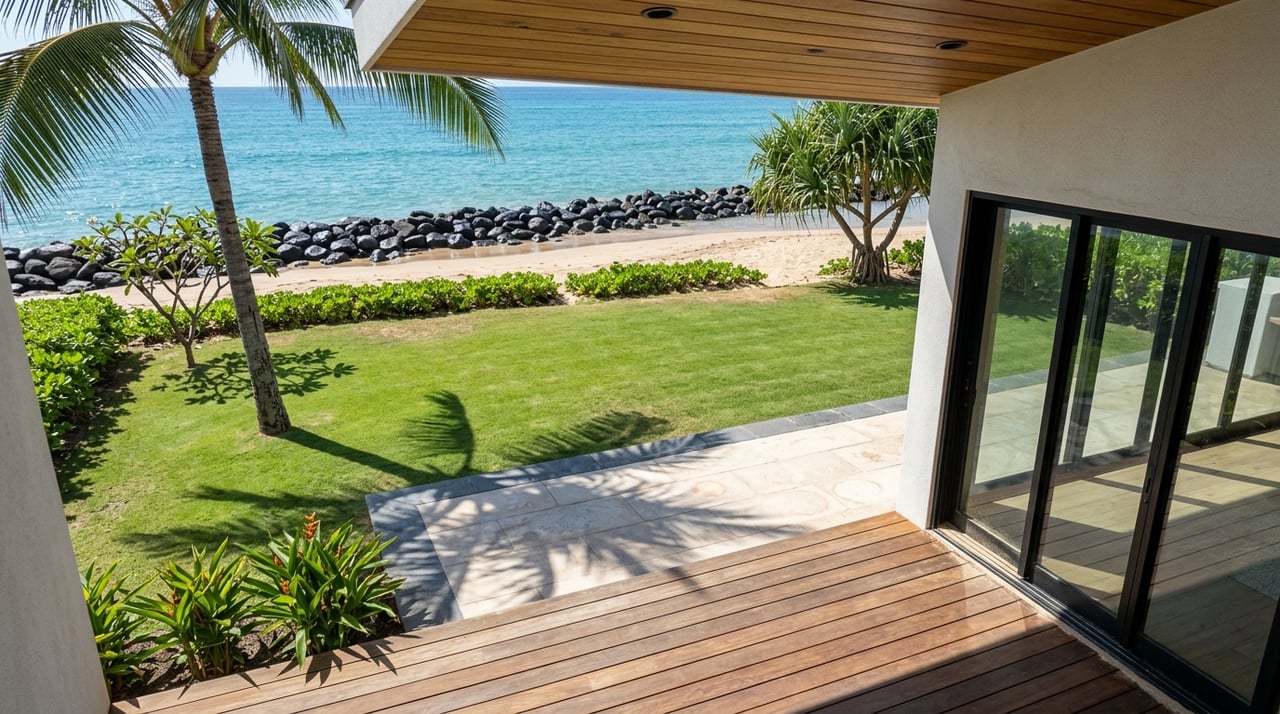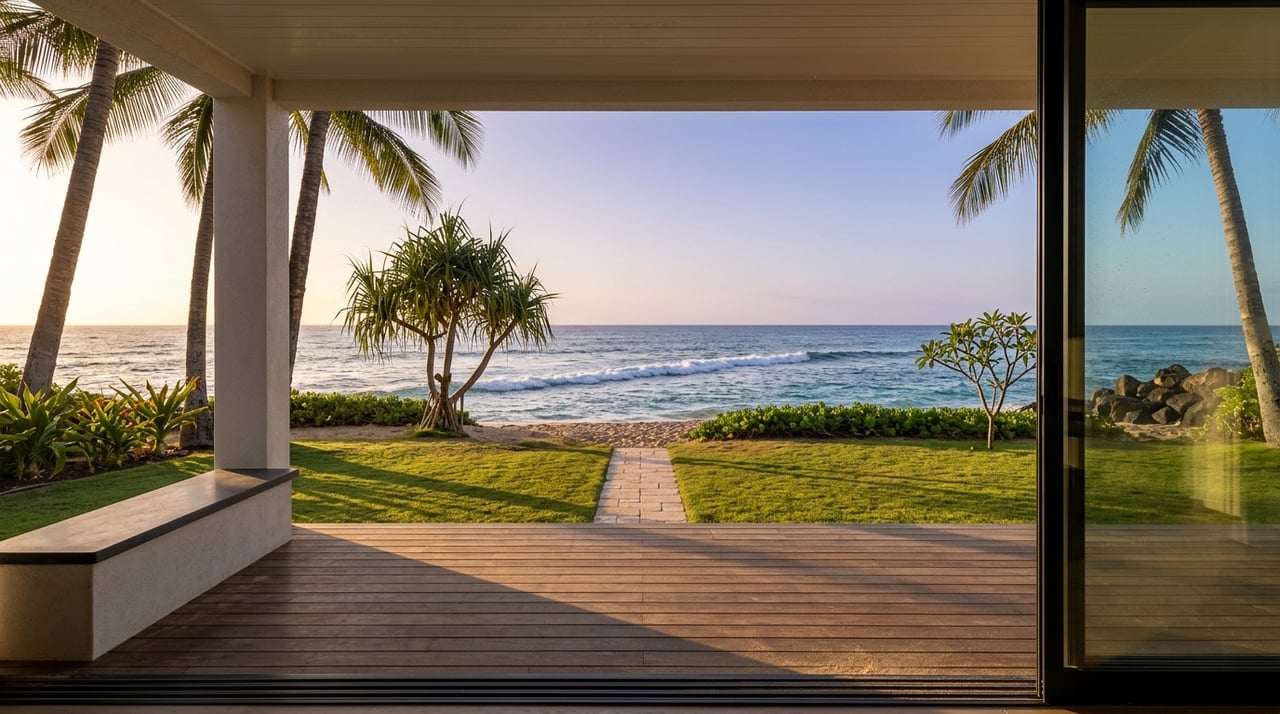
If you have ever dreamed of waking up to winter surf lines and sunset views over one of Oʻahu’s most iconic beaches, Sunset Beach probably already has your attention. It offers a rare mix of beauty, prestige, and direct connection to the shoreline, but oceanfront ownership here comes with very real responsibilities. Before you buy, it helps to understand both the rewards and the tradeoffs so you can make a smart, clear-eyed decision. Let’s dive in.
Why Sunset Beach draws oceanfront buyers
Sunset Beach sits on Oʻahu’s North Shore and is widely known for its long, rideable surf break and dramatic beachfront setting. That combination makes it especially appealing if you want a home that feels tied to the natural rhythm of the coast.
The lifestyle appeal is easy to understand. You get open water views, direct beach access, and a setting that shifts with the seasons. In calmer months, the beach can feel more relaxed and more usable for everyday shoreline enjoyment, while winter brings the wave energy that made the area famous.
For many buyers, that contrast is part of the draw. Sunset Beach is not just scenic. It is dynamic, well-known, and deeply connected to North Shore surf culture.
The lifestyle reward is real
Living oceanfront here can feel extraordinary on the right day. You may have front-row seats to changing swell conditions, golden evening light, and one of the most recognizable coastal landscapes on Oʻahu.
There is also a strong sense of place. The North Shore has a seasonal rhythm, and Sunset Beach reflects that clearly. Winter is the headline season for surf activity, while summer is typically quieter in terms of surf competition.
That means your day-to-day experience can change a lot throughout the year. Some owners love that sense of movement and energy because it makes the home feel connected to something larger than the property line.
Winter ocean energy is a serious tradeoff
The same surf that makes Sunset Beach iconic also creates the biggest ownership challenge. Winter swells can become powerful, and official visitor guidance notes that surf can reach about 30 feet in the winter season.
That matters because oceanfront living here is tied directly to shoreline conditions. NOAA has documented severe erosion and land loss in front of about 20 homes along Sunset Beach, and wave overwash during the 2015 to 2016 winter even led to highway closures.
In practical terms, this is not a beachfront setting where you should assume the shoreline will stay the same year after year. The coast is active, and your lot’s exposure may change over time.
Shoreline change is not abstract
If you are considering an oceanfront purchase, one of the most important mindset shifts is this: the shoreline is not fixed. Hawaiʻi’s state climate portal says sea level is expected to rise about 8 inches by 2050 under an intermediate scenario and about 3.5 feet by 2100.
The same state materials warn that sea-level rise will worsen chronic high-tide flooding and coastal erosion. A 2024 City and County of Honolulu release also reported that more than 70% of Hawaiʻi beaches and 60% of Oʻahu beaches are chronically eroding, with about 5.5 miles of beach on Oʻahu already lost.
USGS projections add more context, estimating that 81% of Oʻahu’s sandy shorelines could experience beach loss by 2100. That does not mean every parcel at Sunset Beach will change in the same way, but it does mean buyers should treat coastal change as an active risk, not a remote possibility.
Parcel-level differences matter
One of the biggest mistakes a buyer can make is assuming all oceanfront lots on the same beach carry the same level of risk. They do not. Even neighboring parcels can have meaningfully different shoreline exposure, erosion history, and buildability constraints.
That is why broad neighborhood appeal should never replace property-specific due diligence. At Sunset Beach, the view may be similar from one stretch of sand to the next, but the ownership realities can be very different.
Crowds come with the address
There is no way around it: world-famous surf attracts people. Honolulu’s surf-event calendar places North Shore surf events in the winter season, and major swell periods can bring increased spectators, parking controls, and heavy roadway activity.
If you buy here, you are not just buying beachfront scenery. You are also buying into a location that can become a public focal point during surf season. For some owners, that energy is exciting. For others, it can feel disruptive.
Privacy at the beach edge may also be more limited than buyers expect. Hawaiʻi shoreline access rules protect public transit along the shoreline and through beach transit corridors, which means oceanfront ownership often comes with more foot traffic and less separation than a secluded estate inland.
Road activity is part of the setting
Kamehameha Highway is an important corridor near Sunset Beach, and state transportation notices show recurring lane closures, rehabilitation work, and traffic control tied to both infrastructure needs and major events. That does not define every property experience, but it does shape daily life.
If you are looking for a truly tucked-away shoreline setting, this is an important consideration. Oceanfront living at Sunset Beach can offer exceptional views, but buyers should expect more roadway activity than they might find on a more isolated stretch of coast.
Building and rebuilding are heavily regulated
For serious buyers, one of the most important tradeoffs is not visible from the sand. It shows up in the rules that apply to shoreline lots.
On Oʻahu, oceanfront development is regulated around a certified shoreline and a shoreline setback line. Honolulu’s current code uses a 60-foot-plus-erosion formula for many lots after July 1, 2024, with a maximum setback of 130 feet, and structures are generally prohibited in the setback area unless an exception or variance applies.
That can directly affect what you may be able to build, expand, or rebuild. The code also states that if a nonconforming structure is destroyed by more than 50% of its replacement cost, it may not be reconstructed except in conformance with current rules.
Why this matters before closing
This is a major ownership reality at Sunset Beach. A home’s current footprint may not reflect what would be allowed in the future.
If you are evaluating a property based on renovation plans, expansion ideas, or long-term redevelopment potential, those assumptions need to be tested early. Oceanfront improvements here should be viewed as regulated coastal projects, not routine home updates.
Shoreline certification affects your plans
DLNR treats shoreline certification as an official process, and a certified shoreline survey must be prepared by a registered land surveyor and confirmed for setback purposes. That process matters because the certified shoreline helps determine where setback rules apply.
Setback variances are also intended to preserve shoreline access, reduce impacts to beach processes, and limit harm to public views. In other words, the approval path can be narrow, and buyer expectations need to match that reality.
Seawalls are not a simple answer
When buyers picture erosion risk, they often assume a hard barrier will solve it. At Sunset Beach and across Hawaiʻi, that is not a safe assumption.
State and Sea Grant materials explain that shoreline setback laws are designed to protect natural shoreline processes, and hard armoring such as seawalls has contributed to beach loss. That creates a real tension between protecting a home and preserving the beach itself.
For owners, this means coastal protection is not just a private design choice. It is part of a broader environmental and regulatory framework.
Stewardship is part of ownership
Oceanfront living at Sunset Beach works best when you think like a long-term steward, not just a buyer chasing a view. NOAA’s case study on Sunset Beach highlights dune restoration as a local example of a softer erosion-management approach, and the restored dunes held during a severe winter season when the road corridor faced repeated threats.
That is an important lesson. Maintaining an oceanfront property here may involve monitoring conditions, supporting site-appropriate coastal resilience measures, and adapting over time rather than expecting a one-time fix.
Maintenance costs more attention here
Salt air, storm exposure, and coastal moisture can be hard on a home’s exterior systems and materials. Hawaiʻi Sea Grant’s homeowner guidance notes that a house in good condition should be free of termite damage, wood rot, and corrosion of fasteners.
For oceanfront owners, that means maintenance is not optional or occasional. It is an ongoing part of protecting the asset. Exterior finishes, hardware, structural connections, and landscaping all deserve more attention than they might at an inland property.
If you own remotely or plan to use the home as a second residence, this is where strong property stewardship becomes especially valuable. The goal is not just to preserve appearance. It is to protect long-term function and value.
Due diligence should go deeper
A standard home search is not enough for an oceanfront purchase at Sunset Beach. You will want to review the parcel through a coastal lens.
Key items include:
- Shoreline certification and setback conditions
- Current and potential rebuild limitations
- Flood hazard references using FEMA maps and the Hawaiʻi Flood Hazard Assessment Tool
- Tsunami evacuation zone awareness and low-lying coastal exposure
- Signs of erosion history or shoreline change near the lot
- Maintenance demands tied to salt air and weather exposure
This kind of review helps you move past the emotional pull of the setting and focus on the full ownership picture.
Who is best suited for Sunset Beach oceanfront living?
The best fit is usually a buyer who deeply values the beach lifestyle and understands the coast is always changing. If you want a polished but predictable ownership experience, a less exposed coastal property may feel easier.
But if you are drawn to the North Shore for its surf heritage, natural beauty, and one-of-a-kind oceanfront setting, Sunset Beach can be incredibly rewarding. The key is going in with the right expectations about exposure, regulation, access, and stewardship.
The bottom line on rewards and tradeoffs
Living oceanfront at Sunset Beach offers something very few places can: a front-row seat to one of Hawaiʻi’s most iconic shorelines. The rewards are real, from dramatic views and direct beach access to a strong sense of place on the North Shore.
The tradeoffs are just as real. Winter ocean energy, erosion risk, shoreline regulation, public access, traffic spikes, and hands-on maintenance all come with the address.
If you are considering a purchase here, the smartest approach is equal parts inspiration and discipline. You want to love the setting, but you also want to understand exactly what the coast may ask of you over time.
If you are exploring oceanfront opportunities on Oʻahu’s North Shore and want thoughtful guidance grounded in local knowledge, connect with Jill A Lawrence for a private consultation.
FAQs
What makes oceanfront living at Sunset Beach so appealing?
- Sunset Beach offers direct beachfront living on Oʻahu’s North Shore, with wide ocean views, seasonal surf action, and a strong connection to the area’s coastal lifestyle.
What are the biggest risks of buying oceanfront property at Sunset Beach?
- The main risks include winter wave energy, erosion, shoreline change, possible flooding or tsunami exposure, and stricter limits on building, rebuilding, and shoreline improvements.
How does shoreline setback law affect Sunset Beach properties?
- On Oʻahu, shoreline lots are subject to certified shoreline and setback rules that can limit new construction, additions, and rebuilding, especially if a structure is nonconforming.
Does oceanfront ownership at Sunset Beach come with more public activity?
- Yes. Public shoreline access rights, winter surf spectators, and event-related traffic can mean more foot traffic, parking pressure, and roadway activity than some buyers expect.
What should buyers review before purchasing a Sunset Beach oceanfront home?
- Buyers should review shoreline certification, setback limits, erosion conditions, flood and tsunami exposure, rebuild restrictions, and the home’s ongoing maintenance needs in a salt-air environment.