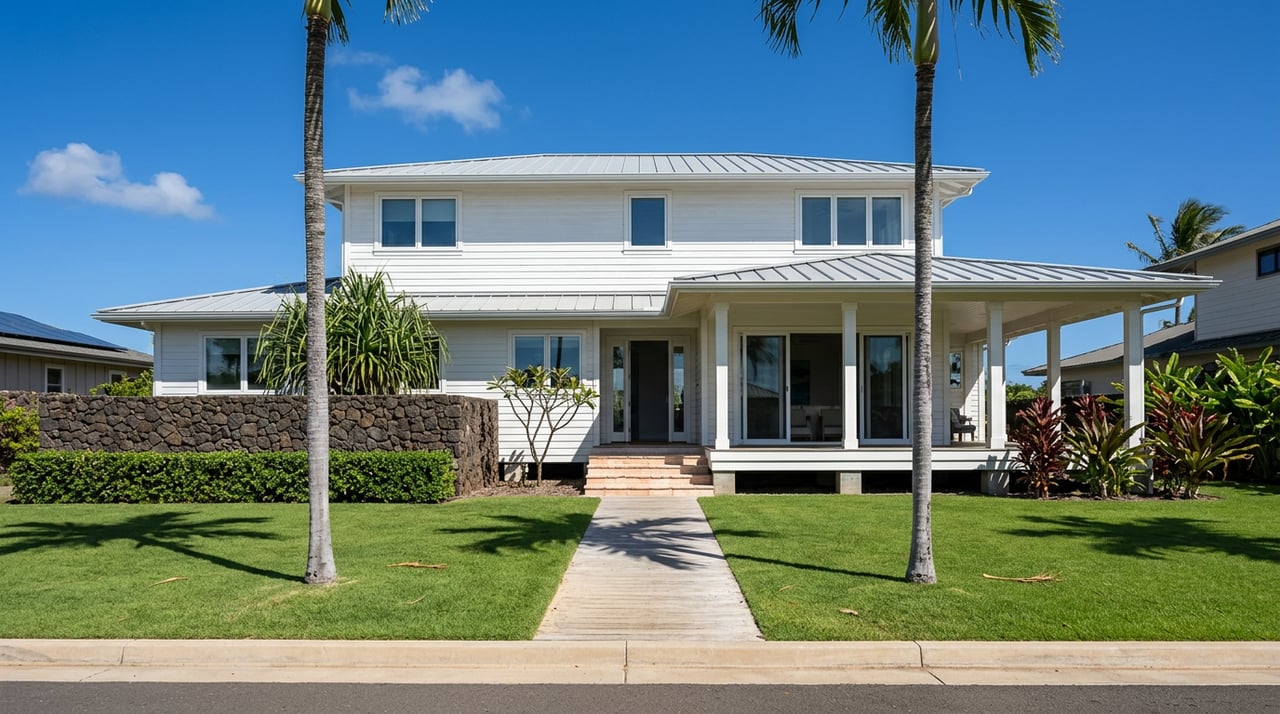
Imagine waking up to the hush of palms and the sound of shorebreak, then walking a quiet lane to grab coffee near the old sugar mill. If you want North Shore beach life without the bustle, Waialua often sits at the top of the list. You care about lifestyle, but you also care about long-term stewardship, costs, and clear ownership rules. This guide gives you a grounded look at beachside living in Waialua, from housing and recreation to schools, commute, and key coastal considerations so you can own with confidence. Let’s dive in.
Why Waialua appeals to long-term owners
Waialua is a compact coastal community on Oahu’s North Shore with deep plantation roots and a low-key residential feel. Nearby Haleiwa is the area’s commercial hub, while Waialua moves at a calmer pace. That contrast is part of the draw if you want everyday beach access without a heavy visitor footprint. You can see this difference in local profiles that highlight Waialua’s quieter vibe compared with its neighbor’s shops and galleries in Haleiwa. For a helpful overview, read this guide to Waialua’s town character from Hawaii Magazine’s North Shore series: a quieter, residential stop than nearby Haleiwa.
The (former) Waialua Sugar Mill anchors community life with small makers, coffee and chocolate, surfboard shapers, and a weekend rhythm that feels local. For a sense of the mill’s current businesses and that small-town cadence, explore this Waialua Sugar Mill snapshot. It is not a tourist mall. Think everyday services, creative workshops, and casual stops that serve people who live here.
Beachside lifestyle by season
One of the great advantages of Waialua is easy access to calm-water paddling in summer and surf watching in winter. The Anahulu River mouth and Haleiwa Harbor area is a well-known starting point for SUP and mellow family paddles when the water settles, with plenty of local operators and launch info around the harbor. If paddling is part of your weekly routine, this Haleiwa Harbor resource is a good place to begin.
In summer, Waialua Bay, Kaiaka Bay, and Haleiwa Beach Park often offer protected swimming and paddling windows. In winter, the North Shore becomes a global surf stage, and conditions shift to big-wave energy with events and weekend traffic. To understand how that nearby shoreline changes through the year, skim this local profile of Haleiwa Beach Park conditions and amenities. Owning here means embracing the seasons: quiet, glassy mornings in summer and a front-row seat to surf spectacle and community gatherings in winter.
Housing at a glance
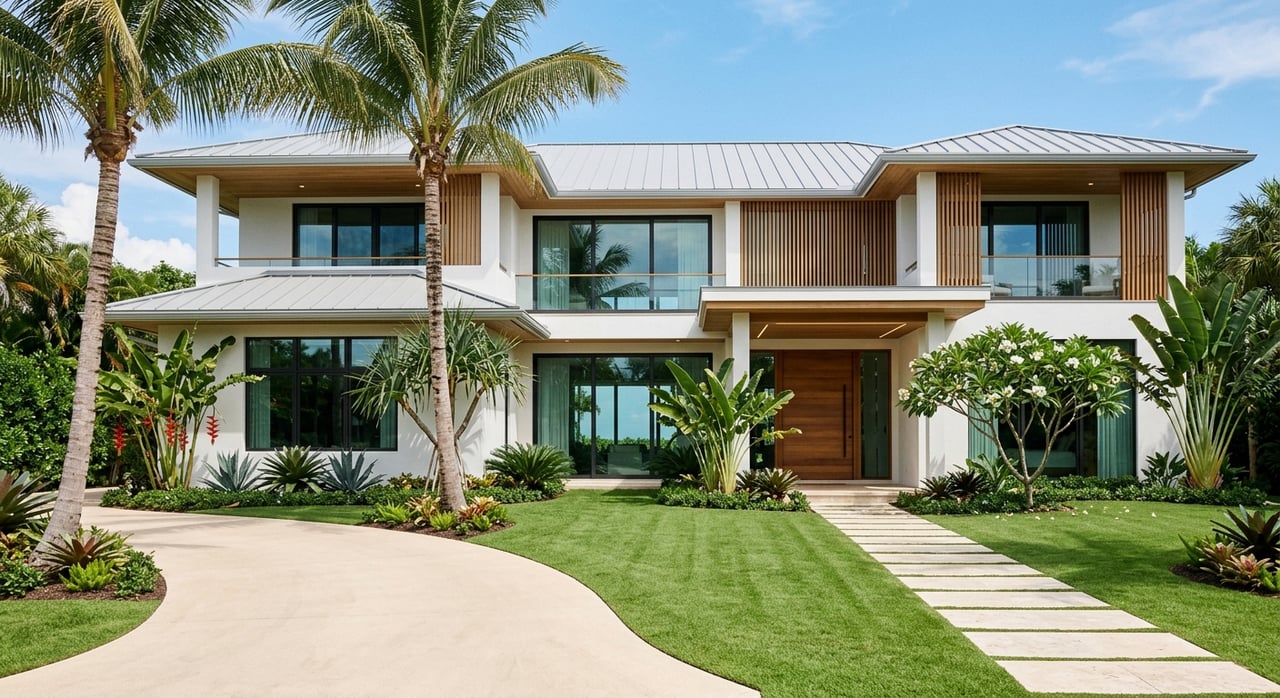
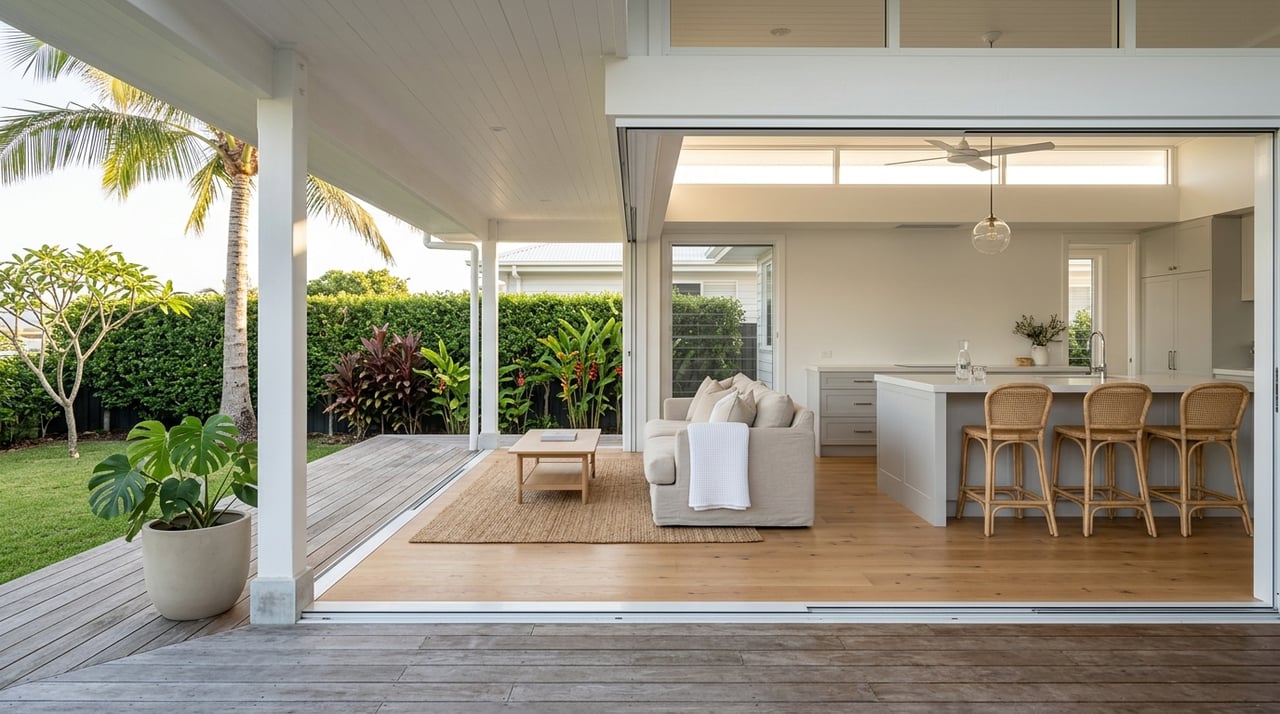
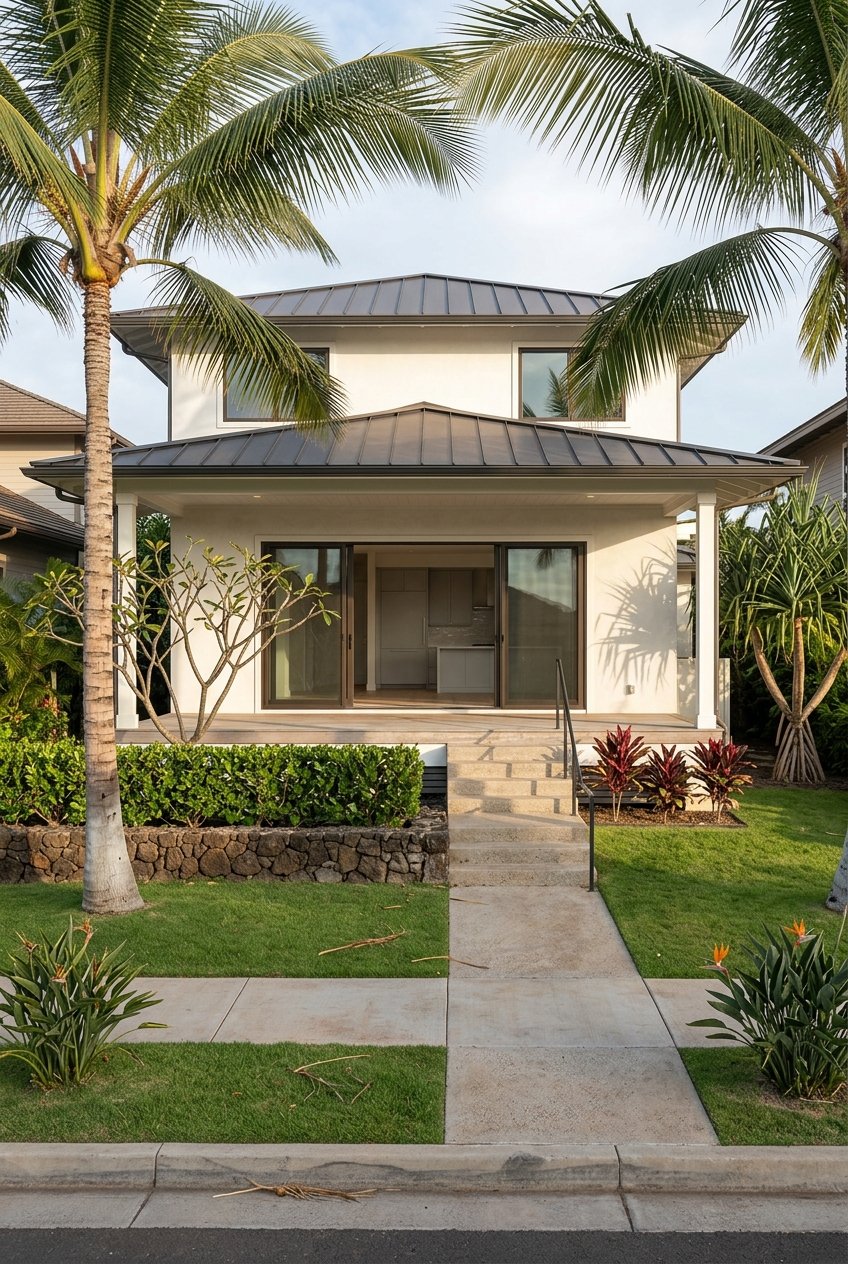
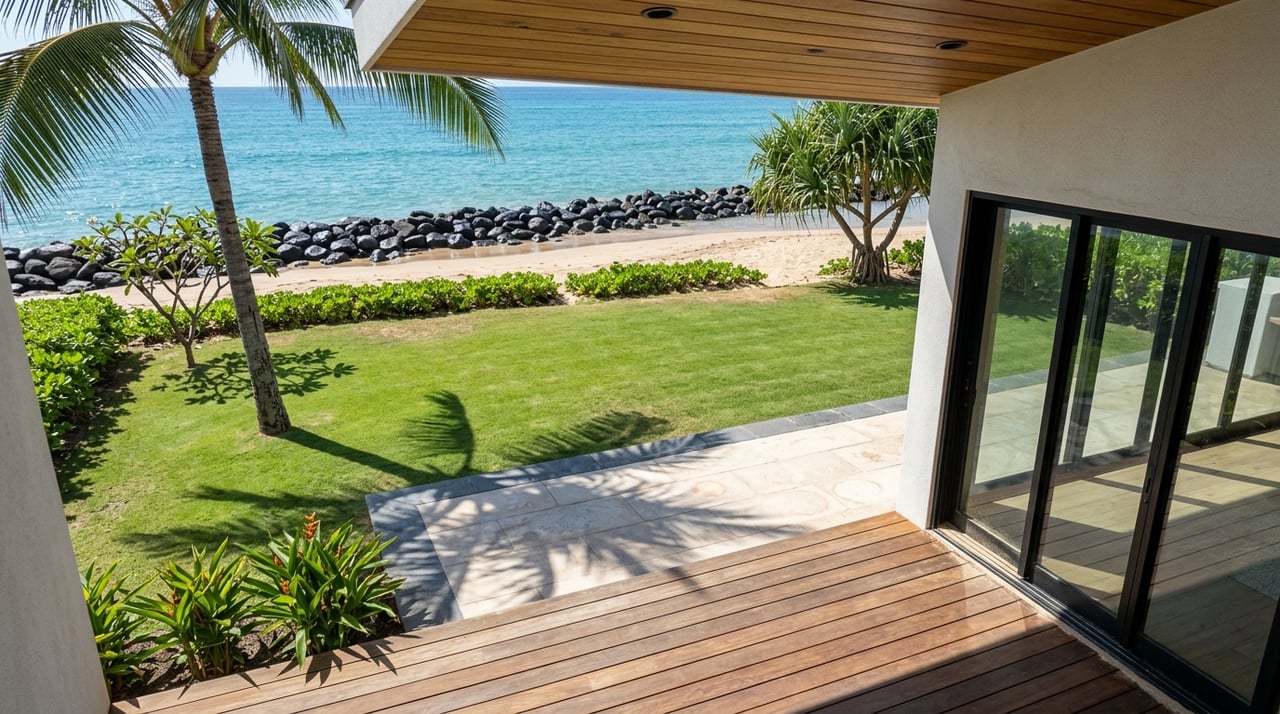
You will see a mix of older plantation-era single-family homes, post-1950s subdivisions, and a small cluster of older concrete-block condos near the shoreline. True beachfront homes exist but are limited and often command a premium due to scarcity and linear feet of beach frontage. Many properties have been selectively renovated to balance classic beach-house design with durable coastal materials. If you are aiming for a long hold, look for sound bones, thoughtful updates, and site planning that respects setbacks, wind, and salt exposure.
Condos can offer a more manageable entry into the neighborhood and simpler upkeep, while single-family lots bring privacy, storage, and the classic lawn-to-beach lifestyle. Inventory is typically thin on the North Shore compared with suburban Oahu, which means medians can swing on a single sale and the right fit might take patience. That slower turnover often suits long-term owners who value time, fit, and stewardship.
Daily needs and access
Waialua supports a simple, day-to-day lifestyle with small shops, a post office, and low-key eateries around the mill area. For a fuller supermarket run or broader services, you will likely drive a few minutes into Haleiwa. If you commute to town, plan on variability and give yourself margin. Typical drive times from Waialua to central Honolulu often range from about 45 to 60 minutes depending on traffic and time of day. For a quick reference, see this measured look at driving time from Waialua to Honolulu.
Schools and education
Waialua has neighborhood public schools that serve local families. If schools factor into your decision, review official pages for enrollment, programs, and the latest data:
When you visit, consider scheduling a campus tour and checking extracurriculars, OIA athletics, and transportation logistics.
Coastal ownership essentials
Buying near the beach comes with unique responsibilities. These are the big ones to handle early.
Flood and sea-level rise screening. Before you write an offer, run the property address through the NOAA Sea Level Rise Viewer to visualize exposure at different scenarios. Pair that with current FEMA flood maps and your lender’s flood zone check. This is a first-pass screening tool, not a substitute for site-specific engineering.
Shoreline rules and permitting. Hawaii’s state and county rules govern what you can do at the shoreline, including seawalls, revetments, and setbacks. Enforcement is real and public. A recent state submittal regarding shoreline hardening shows how tightly these issues are managed. Review this DLNR/OCCL enforcement example hosted on Scribd, then consult the City and County of Honolulu and DLNR for any improvements you are considering. Start early, document everything, and build your team before you design.
Insurance and flood policy. Standard homeowner policies usually exclude flood. You will evaluate the National Flood Insurance Program and private flood options based on your FEMA zone and building factors. Premiums can be higher in coastal V or AE zones. A concise primer on how flood coverage works in relation to homeowners insurance is here: what homeowners policies do and do not cover for flood. Get quotes during due diligence so you have real numbers.
Property taxes. The City and County of Honolulu sets residential class rates by fiscal year. The residential rate listed for FY 2026 is $3.50 per $1,000 of assessed value in public documents. Confirm the current adopted rate and exemptions before closing, and remember that assessed value trends drive the bill more than small rate changes. You can review the FY 2026 agenda documentation here: Honolulu Council agenda reference.
Development context. The North Shore community is active around large-scale proposals, agritourism, and rezoning ideas. Staying informed helps you understand momentum and sensitivities. As one example of how projects can spark debate, read this report on a proposed gondola concept near Turtle Bay that drew attention: North Shore development coverage. Always verify current status with the City and County if a specific project could affect your property.
How to shop smart in Waialua
Use a clear plan so your beachside move supports both your lifestyle and your long-term goals.
Define your shoreline priorities. Do you want direct sand access, or are you comfortable being one or two streets back for easier maintenance and insurance? Translate that into a target lot type and budget range.
Screen risk early. Run the NOAA SLR maps and lender flood checks as soon as you identify a candidate. If the site is near the certified shoreline, speak with a local planner or coastal engineer before you design major changes.
Get real insurance numbers. Bindable quotes for homeowners, wind, and flood will help you compare condo and single-family options with apples-to-apples clarity.
Study seasonality. Visit in both summer and winter windows if possible. Watch swell direction, tradewinds, and how water and sand move near the lot. Ask for historical photos and shoreline certifications where available.
Validate commute, services, and storage. Drive your route during your actual commute time. Walk the distance to your daily coffee spot. Check whether the home has the storage you need for boards, bikes, and tools.
Lean on local due diligence. Ask your agent to coordinate permit records, shoreline setback info, and any nonconforming structures before you finalize offer terms. Proactive questions save time and surprises.
Living here year-round: a simple week
Picture a week that flows with the coast. Mellow dawns start with coffee near the mill, a quick check of the trades, and a paddle set from the Haleiwa Harbor launch on a calm morning. Midweek errands keep you close to home, with a short hop into Haleiwa for a bigger grocery run. On Saturday, you pop by the sugar mill’s local businesses, chat with makers, and plan a sunset walk along Waialua Bay. Winter brings the thrum of surf contests and weekend spectators, while summer slows to glassy mornings and warm, lingering light. It is a simple rhythm that rewards long holds and quiet routines.
The bottom line for long-term owners
Waialua offers rare beach proximity and a calmer everyday pace on the North Shore. With that comes a need for thoughtful due diligence: map flood exposure, understand shoreline rules, gather insurance quotes, and plan for taxes and maintenance over time. If you value an easy, authentic beach lifestyle and you are ready to steward a coastal property for the long run, Waialua deserves a close look.
If you want private guidance, off-market insight, or help coordinating coastal due diligence, connect with Jill A Lawrence for a white-glove consultation tailored to your goals.
FAQs
What makes Waialua different from nearby Haleiwa for daily living?
- Waialua is quieter and more residential, while Haleiwa serves as the larger commercial hub with more shops and dining, which many owners use for services and groceries.
How long is the commute from Waialua to Honolulu on a typical weekday?
- Drive times often range around 45 to 60 minutes depending on traffic and time of day, so plan for variability and test your route during your actual commute window.
Where can you find calm-water paddling near Waialua in summer?
- The Anahulu River and Haleiwa Harbor area commonly offers gentle conditions and SUP access in summer, with local operators and easy launches.
Are there public schools in Waialua that serve the neighborhood?
- Yes, Waialua Elementary (PK–6) and Waialua High & Intermediate (7–12) serve the area, and you can review enrollment and programs on the official NCES pages.
What flood and shoreline checks should a beachside buyer complete first?
- Run the NOAA Sea Level Rise Viewer, review FEMA flood zones, and consult DLNR/City permitting staff about setbacks and improvements before making major plans.
How do property taxes work for residential owners in Honolulu County?
- The County sets rates annually by class, and residential bills reflect both the rate and assessed value, so confirm the current rate and review exemptions before closing.