Torn between Kahala’s polished calm and the North Shore’s surf energy for your Oahu second home? You are not alone. Both deliver world-class coastline and privacy, but they live very differently when it comes to access, pricing, rental rules, and daily rhythm. In this guide, you will get a clear, side-by-side look so you can match the right neighborhood to your lifestyle and ownership goals. Let’s dive in.
Kahala vs North Shore: Snapshot
Kahala in brief
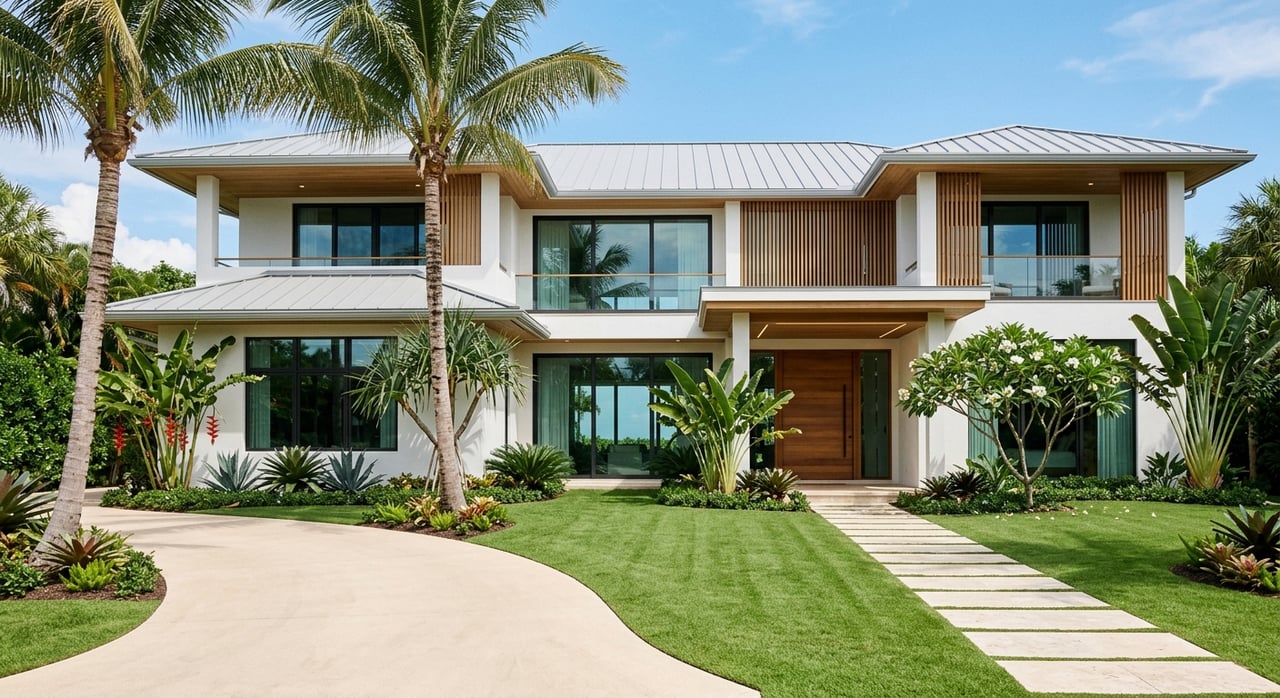
Kahala sits on Oahu’s southeast shore next to Diamond Head and Waikiki. It is an established luxury enclave known for elegant oceanfront estates, mature landscaping, and a refined, resort-adjacent feel. The nearby Kahala Hotel & Resort anchors the area with premium dining and amenities that attract high-end travelers and long-stay guests. For a sense of the setting and clientele, review the resort’s media factsheet from Kahala Hotel & Resort.
North Shore in brief
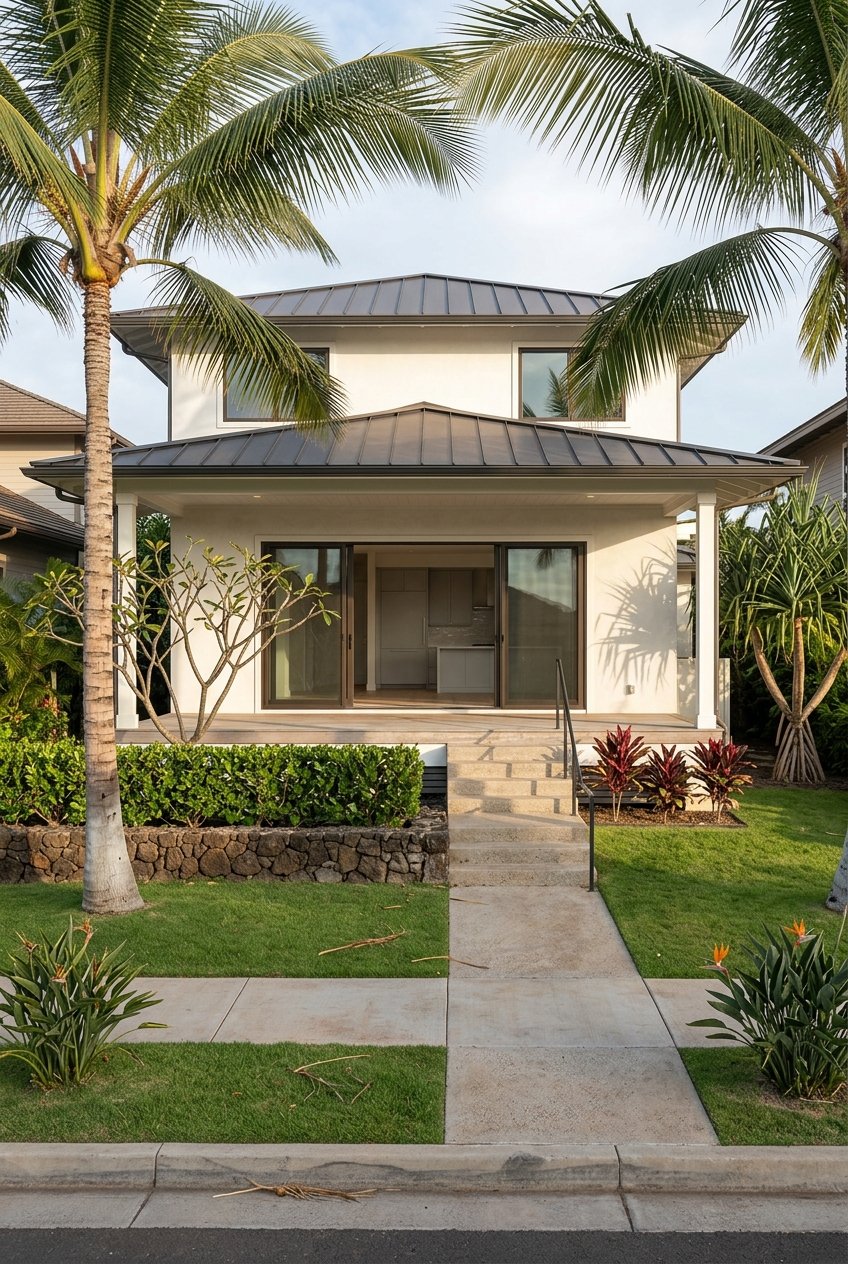
Oahu’s North Shore stretches from Haleiwa to Sunset Beach and beyond. It blends historic Haleiwa town’s food trucks and surf shops with quiet residential pockets, small beachfront lots, and acreage in select areas. Daily life leans outdoors and low density, with a surf-first culture and country-coast pace rather than a formal resort environment. Explore the flavor of the main hub at Haleiwa Town’s overview.
What it costs today
Kahala remains one of Oahu’s most expensive residential submarkets. Neighborhood-level reports in 2024 and 2025 show median single-family sold prices for Waialae–Kahala often in the roughly 2.0 to 2.8 million dollar range, with medians swinging when oceanfront closings hit the tape. You can verify overall Oahu trends in the monthly reports published by title and MLS sources, such as Fidelity National Title’s Oahu stats. Trophy-level Kahala estates and prime beachfront parcels can trade well into the tens of millions, with examples of active or recent offerings reported in the 20 to 45 million dollar band.
On the North Shore, recent neighborhood snapshots have placed the broader median around the low to mid seven figures, with an example reported near 1.25 million dollars in mid 2025. Expect wide dispersion. Modest cottages and CPR units sit at lower price points, while rare beachfront or acreage properties command multiple millions. Liquidity and days on market vary more than Kahala, especially for unique or trophy properties that trade infrequently.
What this means for you:
- Kahala offers premium, relatively stable luxury-address pricing with a deep buyer pool that values proximity and prestige.
- North Shore may offer a lower median entry depending on sub-area, but with higher variance and more episodic liquidity for rare beachfront or acreage.
Access, convenience, and lifestyle
Airport and logistics
If you fly in often and want quick transfers, Kahala’s location is hard to beat. Typical drive times to HNL are about 15 to 25 minutes depending on traffic and time of day. From many North Shore addresses, plan for roughly 40 to 75 minutes or more, and factor that into frequent short-stay plans.
Shopping and dining
Kahala gives you a compact, curated shopping node at Kahala Mall and easy access to Waikiki and Ala Moana for luxury retail and fine dining. On the North Shore, Haleiwa is the heart of retail and dining with surf shops, local boutiques, and beloved food trucks. Get a feel for the local mix via Haleiwa Town’s guide.
Schools and daily routine
Kahala places you close to central Honolulu and within driving reach of several well-known private schools. The North Shore is served by local public schools, with fewer private options nearby and longer commutes to Honolulu for selective institutions. Always verify attendance zones with the Hawaii Department of Education for the specific street you are considering.
Short-term rentals and rules
Hawaii and the City and County of Honolulu have tightened short-term rental regulations. In 2024, the State passed SB2919 (Act 017), clarifying county authority to regulate and phase out transient accommodations. Review the statutory language at Hawaii’s SB2919 text. Honolulu also adopted a 2022 ordinance that restricted short-term rentals outside resort or certain apartment zones. Parts of the ordinance have been litigated, but the practical outcome is that new permits in most residential zones are very limited. See a federal court filing related to the ordinance at this Justia case document.
What to know before you buy:
- Do not assume STR rights transfer in a sale. Grandfathered Non-Conforming Use Certificates have narrow rules for renewal and transferability. Honolulu has implemented registration and enforcement programs, along with high penalties for illegal listings. For a current overview of local requirements and penalties, read this Honolulu STR regulations summary.
- Model taxes correctly. Effective January 1, 2026, the State Transient Accommodations Tax increased to 11 percent. Counties may add their own TAT surcharge. Review the change at Deloitte’s state tax update. Hawaii’s General Excise Tax on business gross receipts is 4 percent at the state level, with Oahu historically adding a 0.5 percent surcharge. See general filing guidance in the state’s GET instructions hosted here.
- Plan for operations. Even when legal, STR ownership typically requires local property management, compliance and registration, and regular tax filings. Budget accordingly.
Seasonality and clientele:
- Kahala’s resort adjacency tends to support steadier, higher-end demand and longer stays.
- The North Shore sees strong winter peaks tied to surf season and major events, with softer off-season occupancy. This can create higher winter ADRs and variable annualized yield.
Coastal risk and insurance
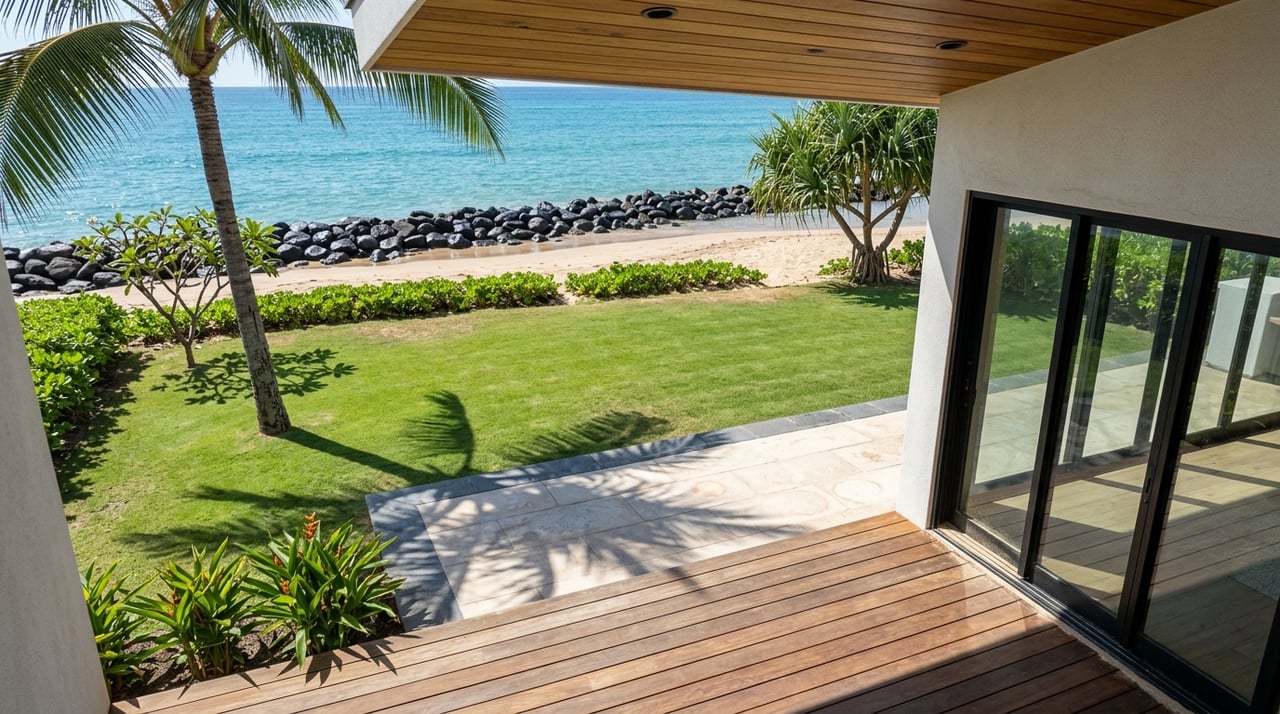
Both coastlines face coastal erosion, shoreline setback rules, tsunami exposure, and long-term sea-level rise. Permitting and shoreline governance evolve over time, and some parcels have seawalls or armoring with specific permit histories. Before you buy, review Honolulu’s shoreline setback and management framework in the city code at Honolulu’s shoreline provisions. Order current coastal hazard and shoreline setback maps, obtain insurer quotes, and review any prior permits or enforcement actions with Honolulu DPP.
Which fits your vision
Choose Kahala if you want:
- A polished, close-in luxury address with low-friction airport access.
- Mature landscaping, gated estates, and resort-adjacent dining and amenities.
- A buyer pool that often values prestige and proximity when it is time to resell.
Choose the North Shore if you want:
- A surf-centric, rural-coast lifestyle with privacy and a slower pace.
- Beachfront cottages, unique architecture, or acreage in select areas.
- Seasonal rental upside tied to events, with patience for more variable liquidity.
Practical checklist before you buy
Use this quick due-diligence checklist to protect your purchase and optimize ownership:
- Pricing and comps: Ask for a current HiCentral MLS snapshot, with micro-street comps and recent sales in your property’s category. Medians can swing with low inventory.
- STR eligibility: Request written confirmation of legal use. Ask for NUC or permit numbers and current registration. Review council and DPP documents on transfer and renewal rules, such as the city’s materials on nonconforming use certificates available via Honolulu’s document portal.
- Taxes and filings: Have a Hawaii CPA estimate your GET and TAT obligations under the current rules. Factor the state TAT at 11 percent starting 2026 per Deloitte’s update.
- Hazards and insurance: Order FEMA flood info, coastal hazard disclosures, and insurer quotes early. Review city shoreline setback rules at Honolulu’s code resource.
- Permitting and history: Pull DPP records for any seawalls, armoring, or prior variances, as well as open code enforcement items.
- Access and operations: If you plan to visit frequently, map travel times in peak traffic. If you plan to rent, line up a local manager and confirm compliance steps. For an overview of Honolulu’s STR requirements and enforcement landscape, see this regulations summary.
The bottom line
If you value refined convenience, steady luxury demand, and short airport transfers, Kahala is likely your match. If your heart is set on a country-coast rhythm with surf at your doorstep and room to spread out, the North Shore may be the better fit. In both places, you will want sharp due diligence on pricing, coastal risk, and rental legality before you write an offer.
Ready to explore private opportunities and map your ownership plan on Oahu? Connect with Jill A Lawrence for white-glove guidance, off-market access, and integrated property stewardship.
FAQs
What is the main difference between Kahala and the North Shore for a second home?
- Kahala delivers a polished, close-in luxury address near Waikiki and HNL, while the North Shore offers a surf-centric, low-density coastline with a slower daily pace and more varied property types.
How do current prices compare between Kahala and the North Shore?
- Kahala often records higher medians in the 2.0 to 2.8 million dollar range, while the broader North Shore median has been reported around the low to mid seven figures with wide dispersion by sub-area and property type.
Can I operate a short-term rental in Kahala or on the North Shore?
- Only if the property’s use is legally permitted under Honolulu rules. New permits in most residential zones are restricted, and you must verify any NUC or registration status before purchase and understand transferability.
What taxes apply if I legally rent my second home short-term?
- Hawaii imposes the General Excise Tax on gross receipts and a Transient Accommodations Tax, which increases to 11 percent starting January 1, 2026, with a possible county TAT surcharge on Oahu.
How far are these areas from HNL for quick trips?
- From many Kahala addresses, plan about 15 to 25 minutes to HNL depending on traffic; from many North Shore areas, expect roughly 40 to 75 minutes or more.
What coastal risks should I evaluate before buying oceanfront?
- Review shoreline setbacks, erosion history, any seawalls or armoring, flood zones, and insurer availability and pricing, and confirm all coastal permits and prior approvals with Honolulu DPP.