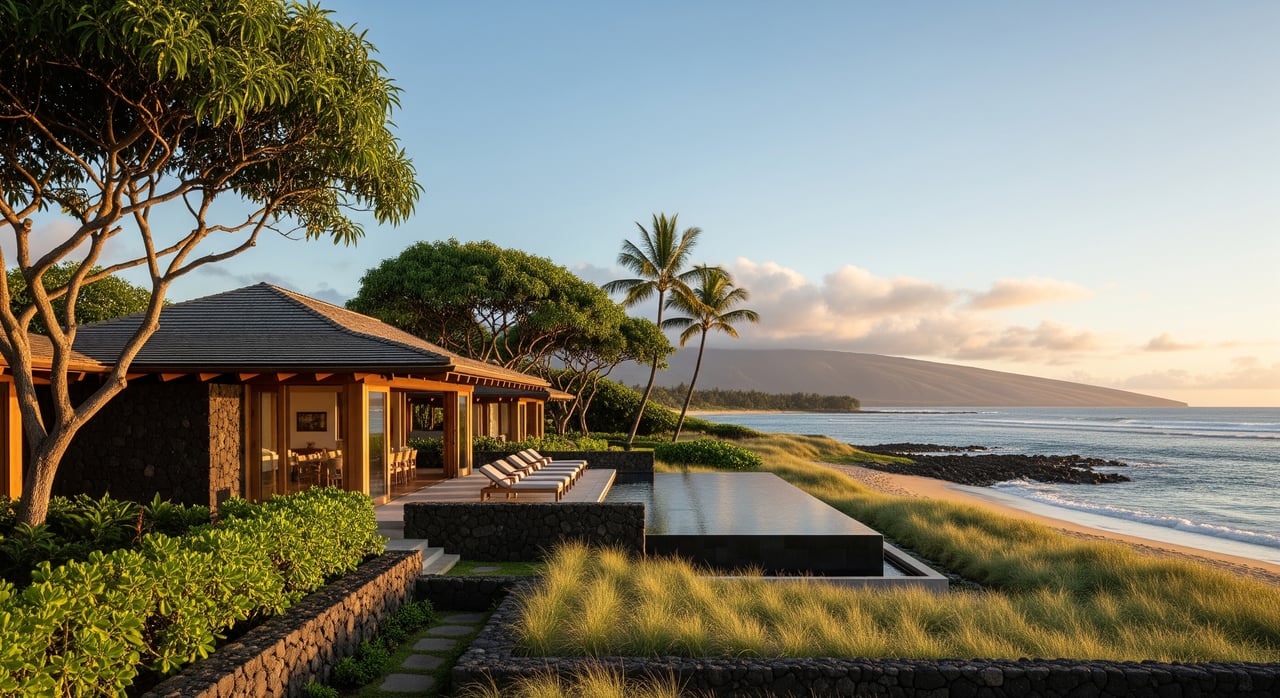
Craving an oceanfront retreat where you hear the waves, not your neighbors? If you are weighing Mokuleia’s quiet shoreline against Waialua’s beachside near town, you are not alone. Many second‑home buyers want real seclusion without giving up everyday convenience. In this guide, you will see how each area delivers on privacy, access, lot types, and the practical checks that matter on Oʻahu’s North Shore. Let’s dive in.
Quick take: Privacy vs access
- Privacy edge: Mokuleia. Longer, less trafficked beachfront stretches and natural dune buffers can reduce passersby and sightlines.
- Access edge: Waialua. Closer to Haleiwa’s shops, dining, and services. Expect more neighborhood activity near the town and park.
- Who thrives where: Seclusion seekers often choose Mokuleia. Convenience seekers and those who want town energy nearby lean Waialua.
What privacy looks like in each area
Mokuleia: Natural buffers and lot depth
Mokuleia is a small coastal community with long, open beaches and fewer commercial services. Larger, deeper lots and irregular parcel shapes are common along oceanfront stretches. Natural dune systems and established vegetation can create visual screening between homes and the shoreline.
Public beach access exists under Hawai‘i law, so no beach is fully private. Still, Mokuleia’s more remote segments often see lighter day‑to‑day foot traffic than town‑adjacent beaches. During peak surf season and special events, activity increases across the North Shore, but Mokuleia typically remains less crowded than popular areas.
Waialua: Beach park energy and quiet pockets
Waialua sits closer to Haleiwa and has a clearer town core. Near Waialua Beach Park, you will experience more pedestrian activity, public parking, and neighborhood energy. Many streets run on a town grid with a mix of lot sizes, including smaller residential parcels near the core.
You can still find quieter segments and larger parcels in peripheral pockets. As with any oceanfront area in Hawai‘i, public access points concentrate beach use, so expect more activity near the park and defined access ways.
Access and everyday convenience
Proximity to Haleiwa
Waialua puts you closer to Haleiwa’s shops, restaurants, galleries, surf services, and some medical or dental options. If you want easy access to groceries and dining, Waialua shortens your routine trips. Mokuleia is farther from the commercial hub and better suited to buyers who prize low activity over short drive times.
Utilities and connectivity
Parcel‑level utilities vary across the North Shore. Many areas are served by the City and County of Honolulu Board of Water Supply, yet some rural parcels may rely on private water systems, septic or advanced treatment units. Hawai‘i’s cesspool conversion requirements are a key due diligence item. Power, cell coverage, and broadband also vary, with more remote Mokuleia segments sometimes experiencing weaker signal or fewer wired options. Confirm providers and speeds for any property you are serious about.
Parking and emergency access
Waialua’s public beach park and town grid offer parking but can become congested at peak times. Mokuleia often has fewer public lots and minimal on‑street parking, which can contribute to a quieter feel along certain stretches. More remote sites may experience longer emergency response times, so check coverage for specific addresses.
Lot types, homes, and permitting realities
Typical parcels and housing
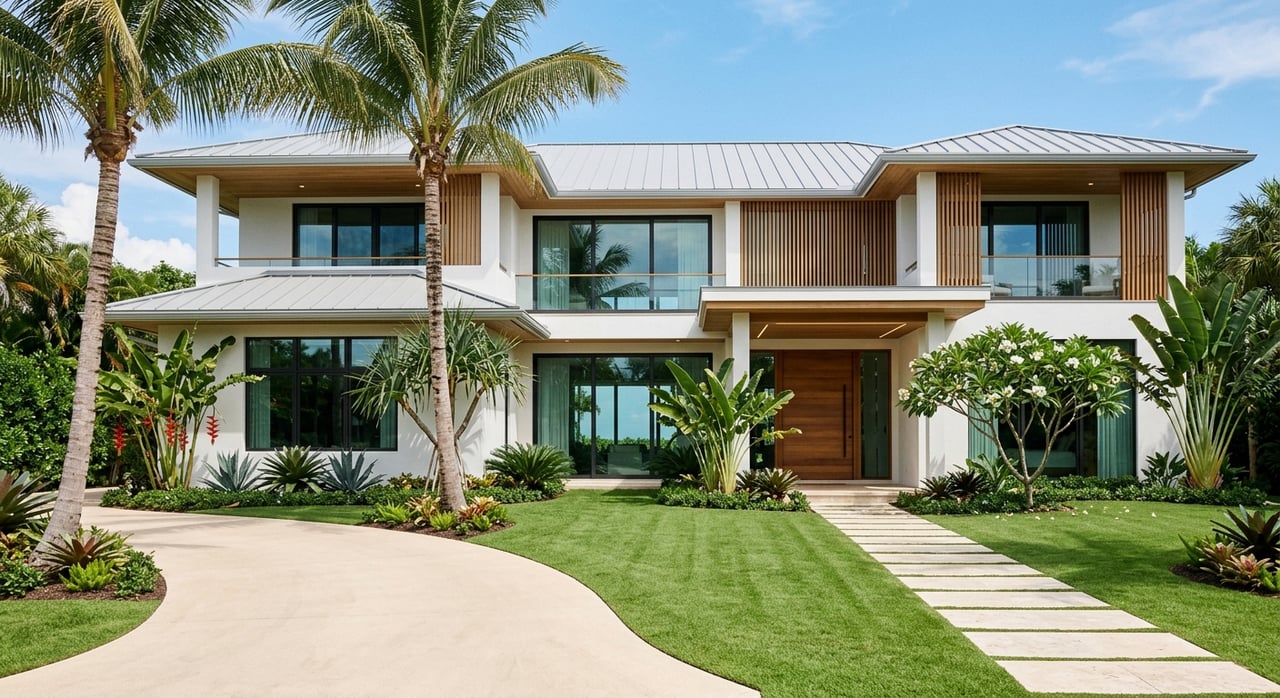
- Mokuleia: Predominantly single‑family homes, with older cottages and newer custom builds on larger beachfront or near‑beach parcels. Agricultural parcels are nearby. Fewer multi‑unit properties overall.
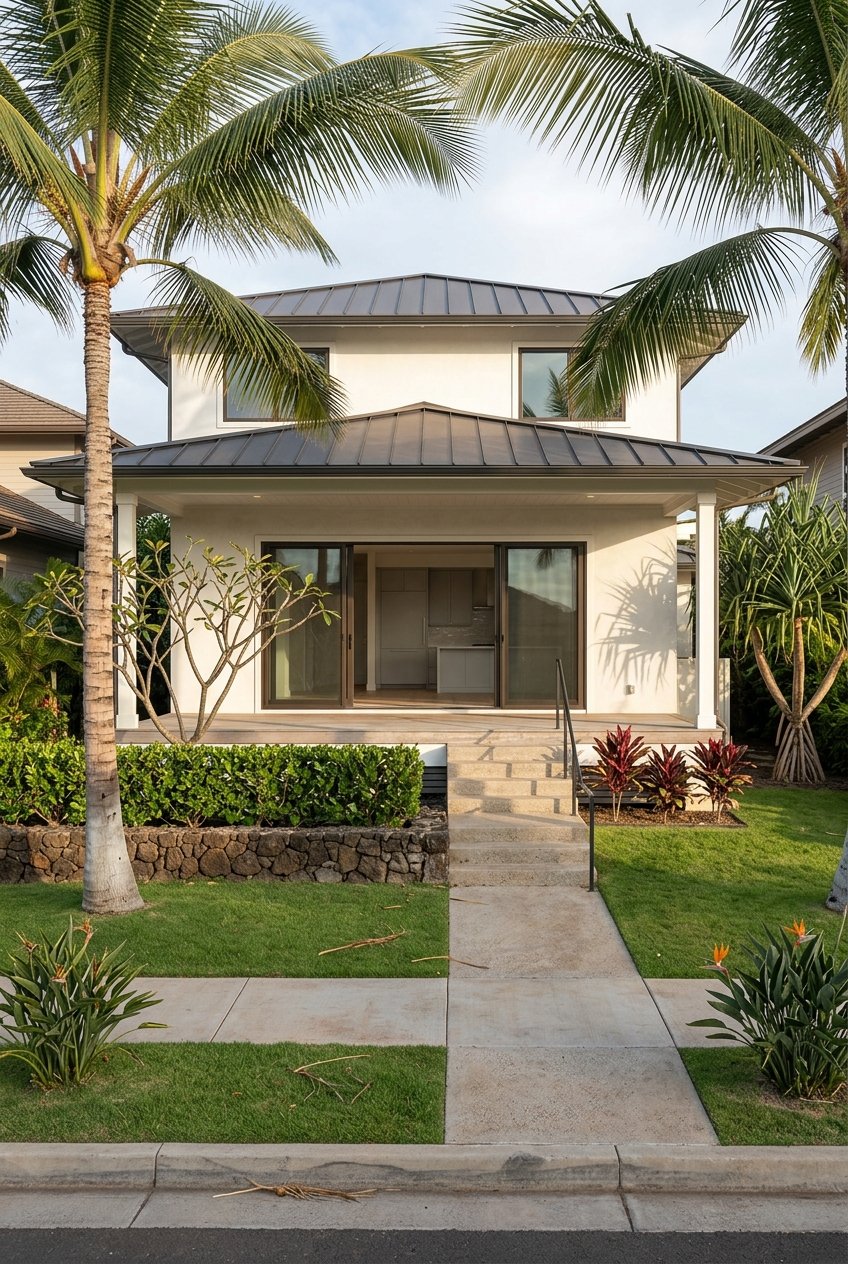
- Waialua: A mix of single‑family homes, some small multi‑unit properties, and historic plantation‑era residences near the town core. The area close to Waialua Beach Park has a denser residential fabric.
Coastal regulations to know
Oceanfront ownership in Hawai‘i comes with important rules. Beaches are publicly accessible where access exists. Owners do not own the public shoreline. Properties near the coast may fall within the Special Management Area and shoreline setback zones, which can limit expansion, rebuilding, and shoreline hardening. Recorded easements and rights‑of‑way also impact privacy and use. Always verify zoning and any restrictions before planning changes.
Hazards, insurance, and lending
Many coastal parcels lie within FEMA flood zones, including high‑risk coastal zones. Low‑lying lots may be in tsunami evacuation areas. Projections indicate long‑term sea‑level rise risk and variable coastal erosion rates across Oʻahu. Expect higher insurance premiums for wind and flood. Lenders often require elevation certificates, flood coverage, and stricter underwriting in hazard‑exposed areas. Availability and cost vary by exact location, elevation, and loss history.
Who each area fits
- You want maximum seclusion. Mokuleia’s deeper lots, dune buffers, and lighter foot traffic away from access points can deliver a more private experience.
- You want convenience to town. Waialua provides faster access to Haleiwa’s daily needs and a small‑town neighborhood feel near the park and core streets.
- You want investment exposure. Proximity to Haleiwa can support demand, yet rules for short‑term rentals are specific and enforcement is active. Confirm County regulations and any neighborhood restrictions before modeling income.
How to evaluate a specific property
Use this checklist to confirm privacy and feasibility before you write an offer:
- Verify zoning, State land‑use designation, and shoreline setback status.
- Confirm lot lines, recorded easements, and beach access paths that may cross or border the parcel.
- Pull FEMA flood maps and obtain an elevation certificate if available; estimate flood insurance premiums.
- Check tsunami evacuation zone maps and your nearest evacuation routes.
- Verify potable water source and wastewater system type, and confirm any required cesspool upgrades.
- Review shoreline certification, past shoreline disputes, and any nearby shoreline hardening.
- Order a topographic survey and coastal hazards assessment if rebuilding or expanding.
- Confirm utility capacity and broadband or cell coverage, especially in remote segments.
- Obtain recent permits, structural reports, and disclosures for existing improvements.
- Engage insurers early for quotes on wind, flood, and potential hurricane coverage.
Visualizing the tradeoff
If you are comparing two addresses side by side, a simple map and photo plan helps:
- Map public beach access points, beach parks, and the route to Haleiwa on the same scale.
- Overlay zoning, SMA, shoreline setbacks, FEMA flood zones, and tsunami evacuation shading.
- Note parking areas and typical crowd patterns near access points.
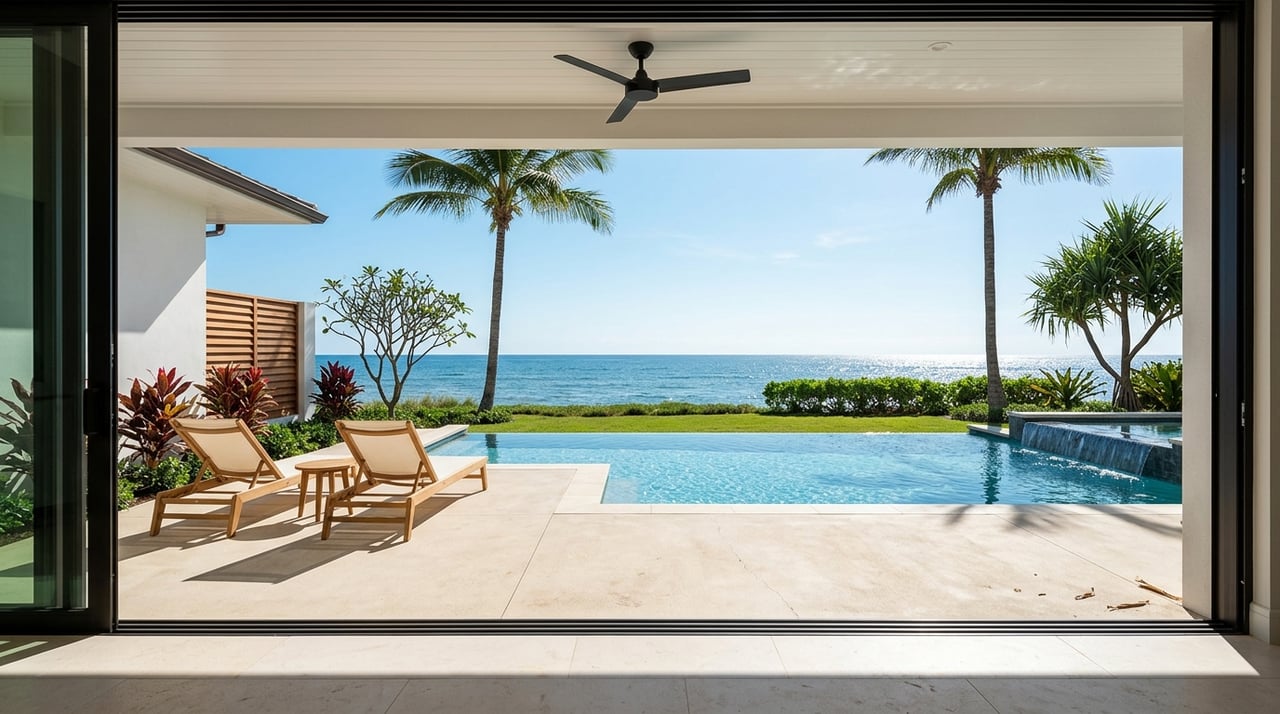
- Photo set: Mokuleia’s long, uninterrupted beach and dune vegetation versus Waialua’s park‑adjacent shoreline and town streetscapes. Look for lot depth, vegetation screens, and neighbor spacing in each shot.
Bottom line
- Most privacy: Mokuleia’s oceanfront stretches often feel quieter, with larger lots and natural buffers.
- Most convenience: Waialua’s beachside delivers easier access to Haleiwa and daily amenities, with more activity near the park and town core.
- Best choice for you: Match your privacy needs to your tolerance for longer drives and utility variability. Then layer in permitting, hazard exposure, and insurance feasibility for a full picture.
If you want discreet guidance and on‑the‑ground insight, connect with Jill A Lawrence for concierge buyer representation, private listing access, and property stewardship tailored to North Shore coastal living.
FAQs
Is Mokuleia more private than Waialua for oceanfront living?
- Mokuleia generally offers longer, less trafficked beachfront stretches with larger lots and natural dune buffers, while Waialua has more activity near the beach park and town.
How close is Waialua and Mokuleia to Haleiwa’s services?
- Waialua is closer to Haleiwa’s shops, dining, and services, while Mokuleia requires a longer drive and suits buyers who prioritize low activity.
What coastal regulations affect oceanfront homes in these areas?
- Properties may fall in the Special Management Area and shoreline setback zones, and beaches are publicly accessible, which can limit expansion and shape how you use the property.
Are flood insurance and hurricane coverage required or costly?
- Many shoreline parcels lie in FEMA flood zones, so lenders often require flood coverage; premiums and availability depend on elevation, flood zone, and prior claims.
Can I operate a short‑term rental in Waialua or Mokuleia?
- Short‑term rentals are governed by State and County rules and local enforcement; confirm current ordinances and any neighborhood restrictions before you plan income.