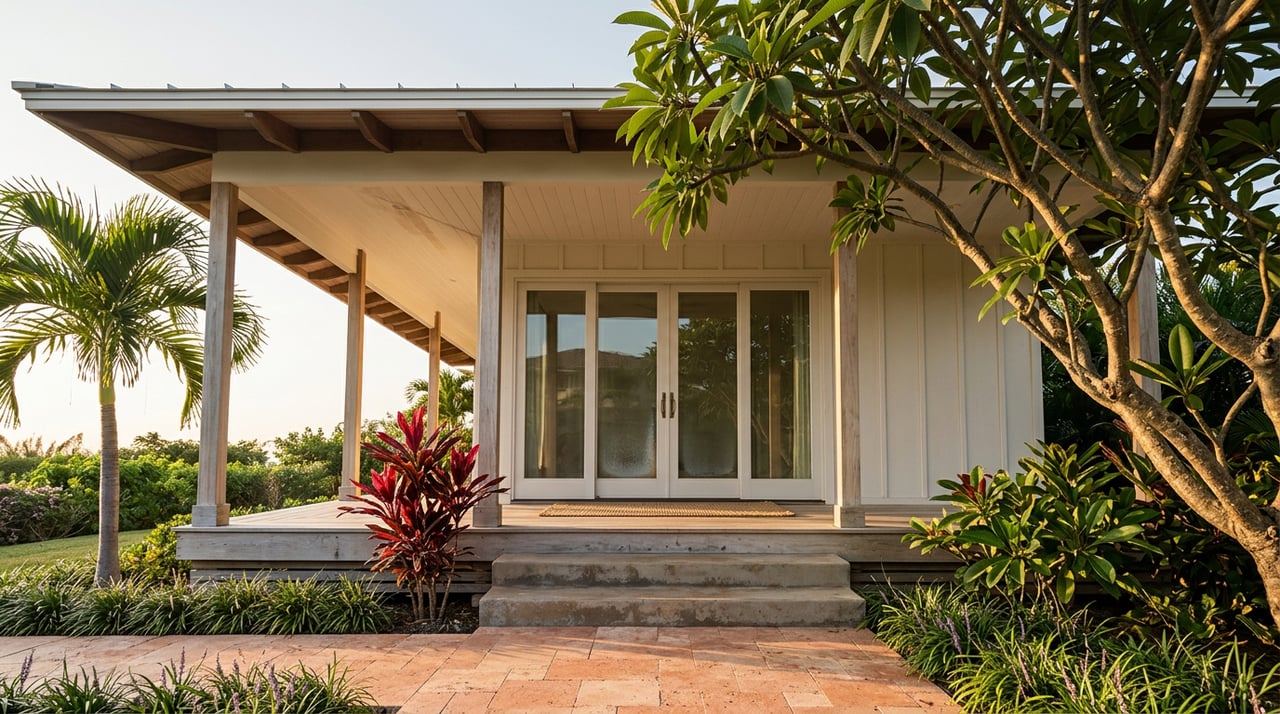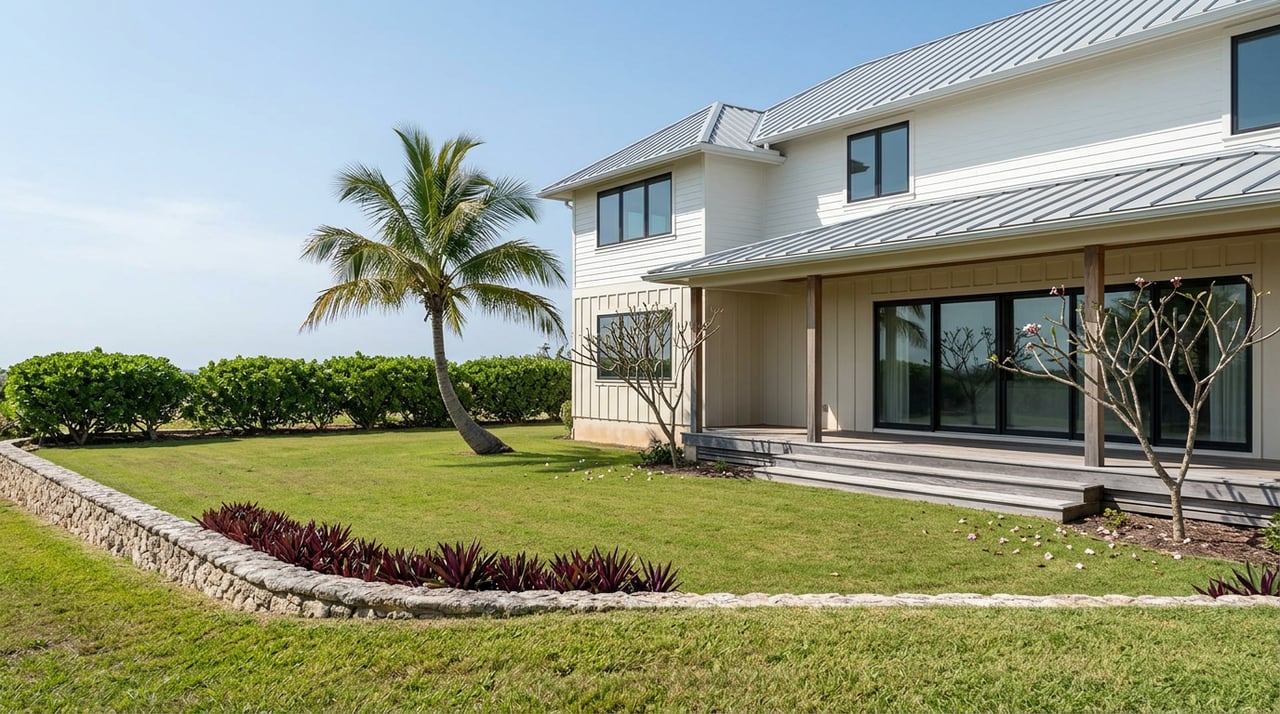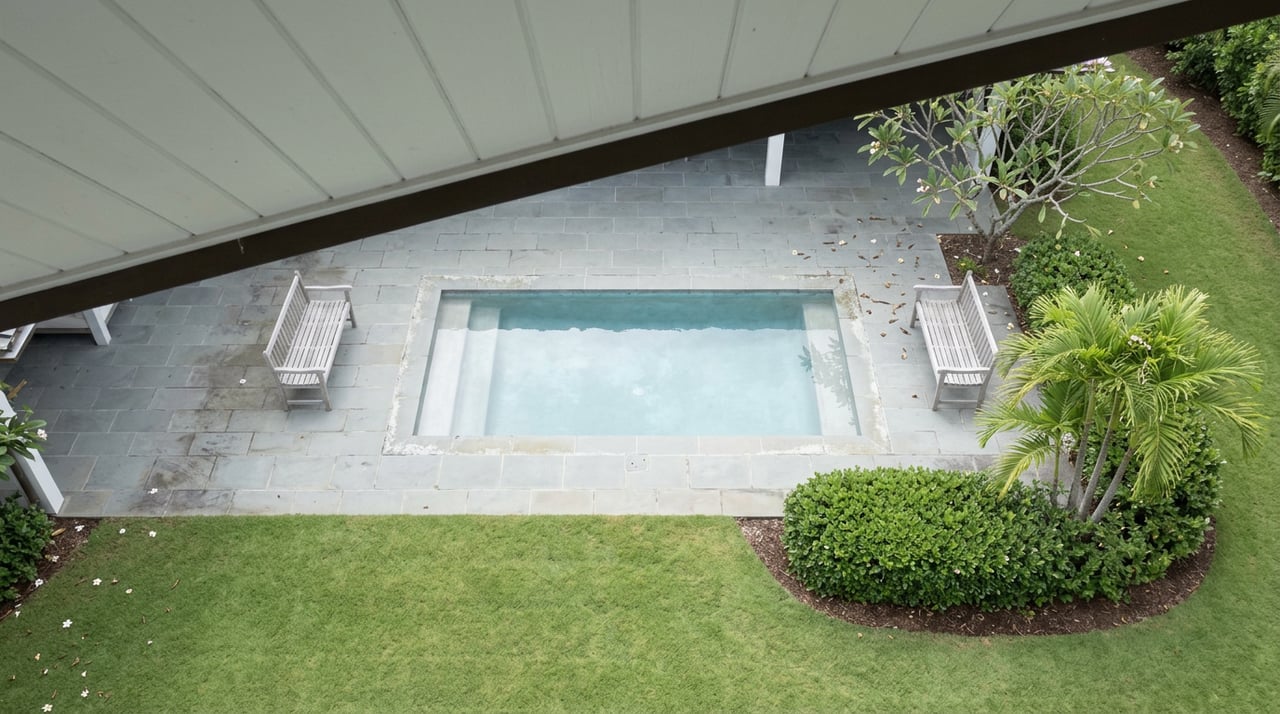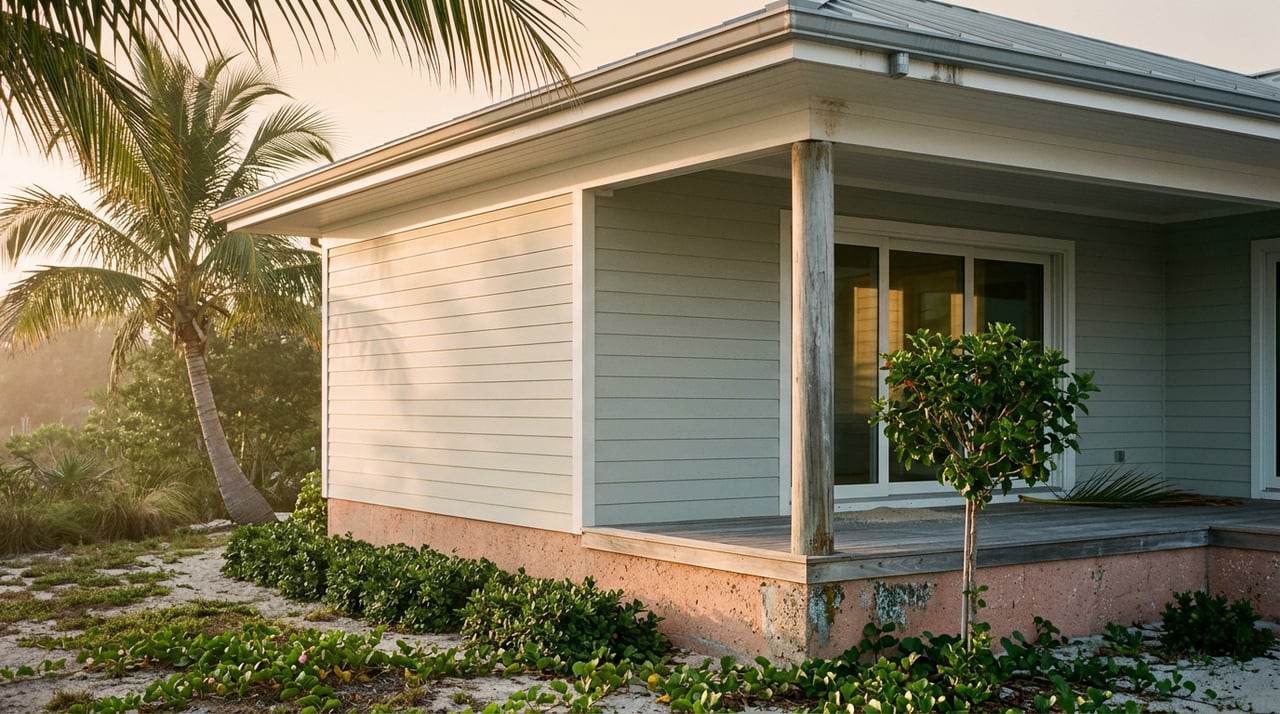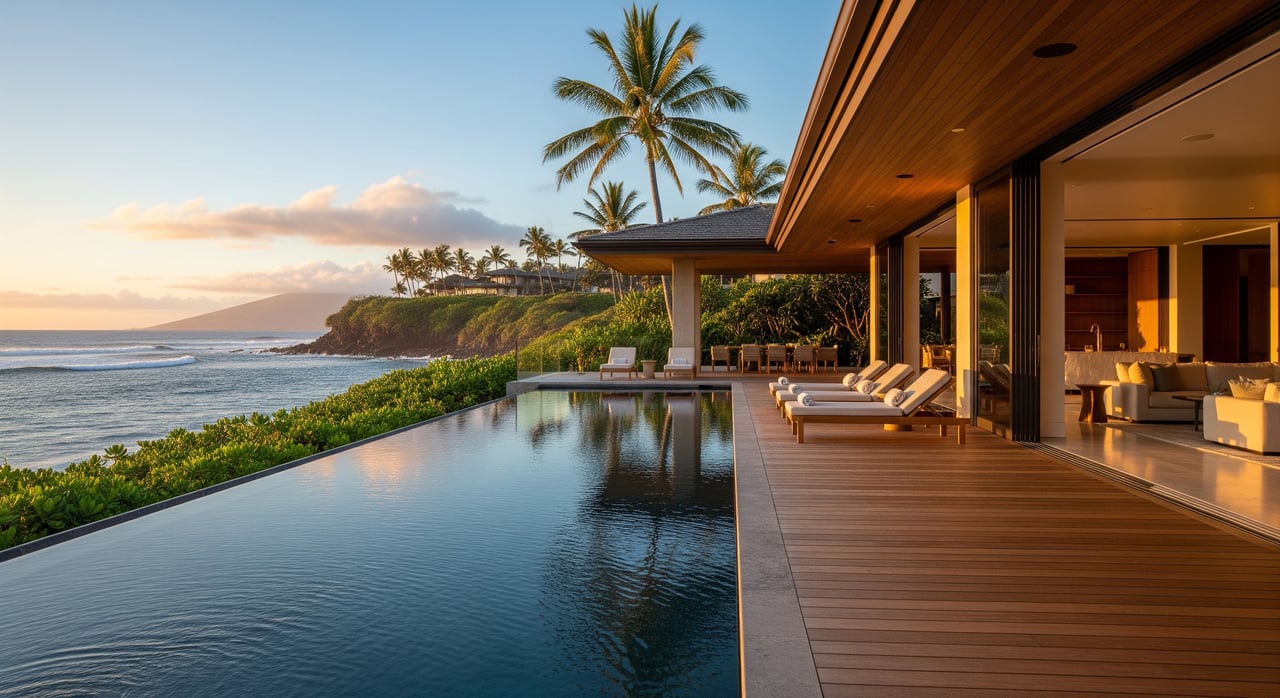
Imagine waking to the sound of surf and checking the morning conditions before your first coffee. If you’re considering a second home on Oahu’s North Shore, you’re likely drawn to that rhythm. You also want the practical truth about ownership in 96712, from seasons and services to rules and long-term risks. Here’s a clear, on-the-ground look at what life and ownership really feel like, plus the steps to decide if it fits your lifestyle and goals. Let’s dive in.
The North Shore rhythm
Winter surf season
From November through February, powerful north swells light up iconic breaks like Banzai Pipeline, Sunset Beach, and Waimea Bay. Competitions bring international attention, extra visitors, and an electric energy on the beach. Traffic can be heavier during events, and you’ll feel a pulse that centers around the ocean. If you love surf culture, this is the peak season.
Summer calm and family days
When summer arrives, the ocean often settles into friendlier conditions for swimming, snorkeling, paddling, and long family beach days. You still get waves at select spots, but the mood shifts from big-wave spectacle to easy coastal living. It’s a great season for mixing water time with low-key evenings in Haleiwa.
Beyond the waves
You can hike near Ka‘ena Point, fish, or book horseback rides. Golfers find resort courses near Turtle Bay. Longboard, stand-up paddle, or simply explore new stretches of sand. The outdoor lifestyle runs year-round, and your days can be as active or relaxed as you want.
Community and pace
Life here feels small-town and creative. Haleiwa offers cafés, galleries, surf shops, and casual dining rather than urban nightlife. Many residents value cultural stewardship and local identity, so newcomers are encouraged to learn the area and be good neighbors. You’ll meet longtime fishing and farming families, artists and small business owners, and an increasing number of second-home owners.
Dining, shopping, services
Expect high-quality casual eats from shrimp trucks and poke counters, plus a few upscale options near Haleiwa and Turtle Bay. Late-night dining is limited compared with Honolulu. Grocery stores are convenient but smaller than mainland big-box options. Many owners plan periodic stock-up trips to larger stores in Central Oahu or Honolulu. Local medical care is available for routine needs, but specialized care usually requires travel to Central or South Oahu.
Events and visitor flow
Major surf competitions in winter and school holidays increase visitors and local activity. Businesses run fuller, and beach parking fills earlier. If you prefer quieter days, plan errands and drives around peak event weekends and typical morning and evening commute windows.
What ownership looks like
Property types and feel
You’ll find beachfront estates, oceanview homes, small beachfront cottages, ranch or acreage lots, and a limited number of condos and townhomes. New development is constrained by zoning, land availability, and environmental rules, which helps preserve the North Shore’s lower-density feel.
Inventory and pricing
Inventory is typically tight, with premium prices per square foot compared with many mainland markets. For current trends and comparable sales, review local MLS data and Honolulu Board of Realtors reports with your advisor. If you want privacy, ocean access, and turnkey finishes, be prepared for strong competition.
Taxes, zoning, and rentals
Hawaii’s property tax rates are moderate by national standards, but assessed values for desirable coastal land can be high. Your tax class and exemptions matter, so it is important to confirm details with the City and County Real Property Assessment Division. Short-term rentals are tightly regulated on Oahu. Many residential neighborhoods do not allow unpermitted transient vacation rentals. Some resort zones and grandfathered properties may permit them, but you should verify the latest ordinances for any specific parcel. Along the coast, development is subject to shoreline setbacks, special permits for seawalls or shoreline hardening, and state shoreline certification. Permitting can be time-consuming.
Insurance, maintenance, and utilities
Coastal homes face higher insurance costs due to wind, tropical storms, salt corrosion, and potential flooding. Windstorm and flood coverage may be separate. Availability and premiums can influence what and where you buy. Salt air accelerates wear on metal and finishes, and exterior wood requires more frequent attention. Construction and contractor costs tend to be higher than the mainland due to shipping and labor. Electricity and water are available island-wide, though storms can cause outages. Many owners add rooftop solar and battery backups for resilience. Internet and cell service vary by parcel. Some addresses have fiber or cable, while others rely on DSL or wireless. Confirm service maps and speeds before you commit.
Getting around
The drive to central Honolulu or the airport usually runs 45 to 75 minutes depending on traffic and destination. Expect longer times during big events or peak commute hours. TheBus serves the North Shore, but it is slower and less frequent than a private car. The new rail line does not extend to the North Shore, so it will not change local commute patterns to Haleiwa.
Buyer due diligence
- Confirm title matters, easements, and legal beach access, and understand where public shoreline rights apply.
- Order environmental checks for erosion, sea-level rise exposure, flood zones, and cultural or historic resource designations.
- Review neighborhood CC&Rs for rental rules, use restrictions, and design guidelines.
- Verify internet and cell coverage for the specific address.
- Consult a local real estate attorney, a North Shore–experienced realtor, a county planner, and a Hawaii-focused insurance broker before you write an offer.
Is the lifestyle a fit?
If you want an outdoor, surf-oriented, low-density coastal lifestyle with easy beach access and a small-town feel, 96712 may be your match. It can be less ideal if you need frequent fine dining and nightlife, immediate access to specialty healthcare, or a short daily commute to central Honolulu. Think about how often you will be on-island, what you need weekly, and how much you enjoy a slower, nature-first pace.
Environmental realities
Beachfront and low-lying areas face coastal hazards that include erosion, storm surge, king tides, and long-term sea-level rise. Tropical storms and heavy rain can cause wind damage and localized flooding. These realities can affect insurance availability, carrying costs, and long-term values. Many buyers order coastal hazard assessments and review state climate resources to understand site-specific risk.
Cost of ownership
Day-to-day costs can be higher than most U.S. cities due to shipping and island logistics. Expect more frequent exterior maintenance and budget for specialized contractors. If you are counting on rental income, remember that short-term rental regulations are strict outside permitted areas. Long-term rental demand exists but is limited by the small local pool.
Safety and stewardship
The North Shore’s lower density contributes to a relaxed feel, but petty theft can occur, especially near busy beach parks. Use common coastal-home precautions like secure storage for gear and gated access where appropriate. Local communities value cultural respect and land stewardship. Learning local protocols and engaging thoughtfully with neighbors goes a long way.
How we help
You want the best of both worlds: authentic North Shore living and smart asset stewardship. Our boutique approach pairs deep local knowledge with concierge service, from private listing access and discreet previews to rental management and property care after closing. If you are exploring beachfront estates, ocean-view condos, or resort-adjacent homes, connect with Jill A Lawrence to get tailored guidance and private opportunities.
FAQs
How often can you surf or swim safely on the North Shore?
- Year-round ocean access is available, with big winter surf better for experienced surfers and calmer summer months typically more suitable for swimming and family activities.
Can you rent your North Shore home short term?
- Oahu’s rules are strict in most residential areas, so confirm whether a specific property is permitted or in a zone that allows short-term rentals before assuming income.
How long is the drive to Honolulu or the airport from Haleiwa?
- Typical drive times range from about 45 to 75 minutes depending on traffic and events, with longer times during peak commute hours and surf competitions.
Are beachfront homes a safe long-term investment on the North Shore?
- They are highly desirable but face rising environmental risks, possible higher insurance and maintenance costs, and should be evaluated with coastal hazard due diligence.
What should you budget for maintenance and insurance in 96712?
- Expect higher-than-average costs for coastal properties due to salt corrosion, storm exposure, and Hawaii labor and shipping, and obtain local quotes before you buy.